Car SeatRecommended
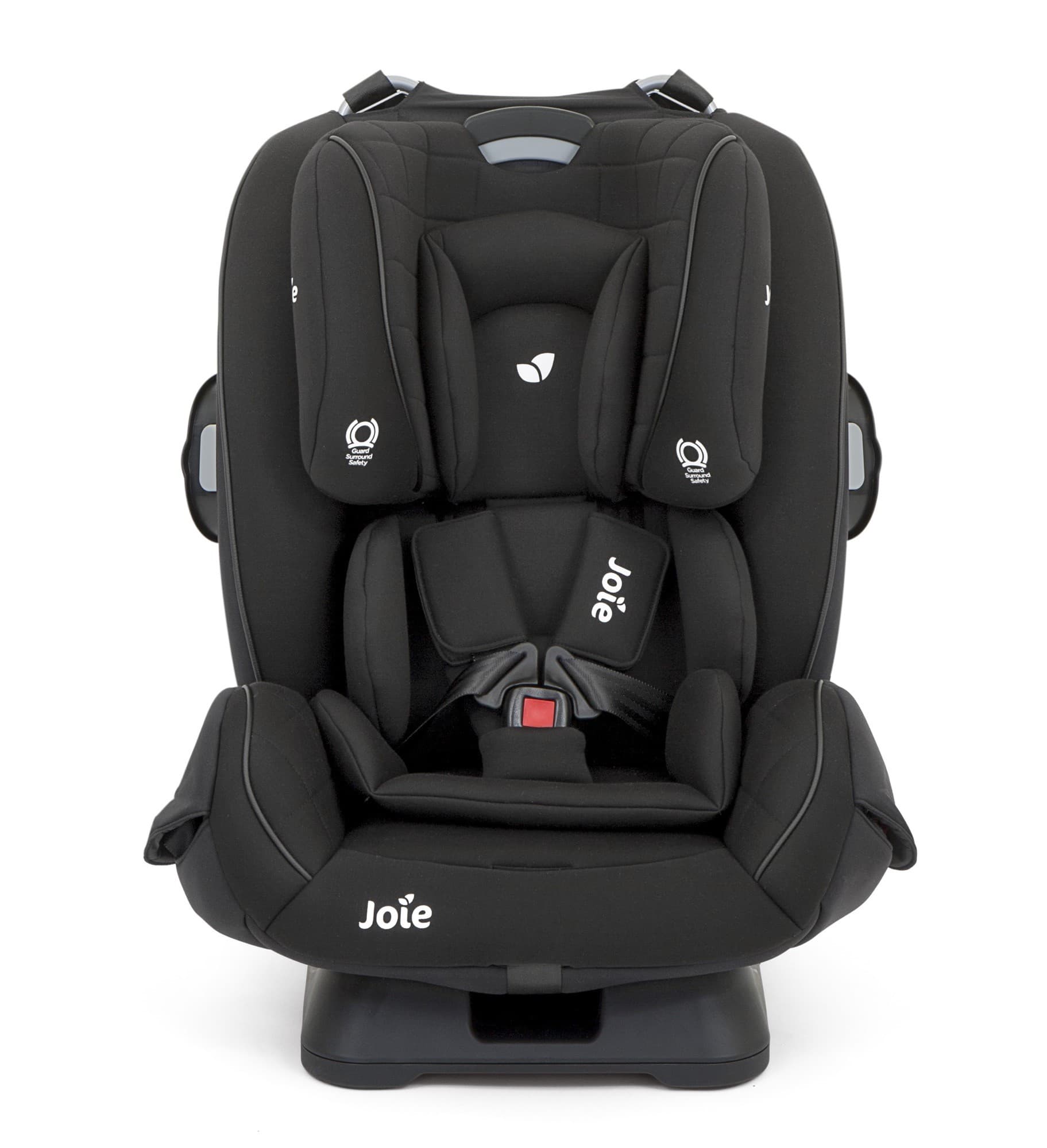
Joie Armour FX Car Seat Midnight
Joie Armour FX Car Seat (Midnight)
$349.00
What you actually need for a baby
Baby shops will happily sell you two hundred things. You need about two dozen. This is the checklist we give Australian parents setting up a registry: 26 items across seven categories, each marked must have or nice to have, with what to look for, how many to put on the list and roughly what each category costs. Tick items off as you go, or print the list and take it shopping.
Every item below earns its place. The ones marked must have are the things you will use in the first fortnight; the ones marked nice to have are worth having but survivable without, so they make good registry gifts rather than urgent purchases. Anything we would skip, or hold off on until you know your baby and your home, has its own list further down. Quantities matter more than brands for most of the list: eight wraps beat one expensive one, and no newborn has ever cared about the print on a change mat.
Put the must-haves on your registry first, and plan to buy whatever is still missing yourself about a month before the due date. List the big items anyway, even though they cost more than any one guest would spend: on a registry where guests can put any amount towards a gift, a few friends can share the cost of a pram, and you buy the exact model once the total is in. Write the quantity and the size in each item's note, so "muslin wraps, eight in total" or "size 00, winter" answers the question before anyone has to ask.
If your home has more than one living area, a few cheap basics are worth keeping in both: nappies and wipes, a stack of muslin wraps and a spare change of clothes. To print, use the button under the list or your browser's print command; only the checklist prints, with a box beside every item.
If you are still deciding where to host your list, our best baby registry comparison covers the options, and our baby registry page shows how ours works. Guests wondering what a checklist item costs to gift can sanity-check against our guide on how much to give at a baby shower, and parents who would rather pool contributions can run a baby shower wishing well alongside the physical list.
All 26 items, by category. Your ticks are saved in this browser only, so they are there when you come back, and anyone else using this browser will see them too.
Some items carry a recommended pick: a specific product our team would buy for a typical Australian family. Picks are editorial choices, not paid placements. Each one is resolved from the retailer's catalogue on a regular refresh, so the price and details you see reflect a recent catalogue check and can change between visits, and we re-review the whole set quarterly with a dated check of the Product Safety Australia recall list. Australia has mandatory safety standards for infant sleep products, and we only recommend products where we can point at the evidence ourselves: every cot, mattress and bassinet pick records the specific safety-standard claim the retailer or manufacturer publishes for that product, and where and when we checked it. Those are the maker's stated claims, not our own certification, and for some products the stated claim covers one part of the rules rather than the complete mandatory standard: our cot mattress pick, for example, states the mattress-firmness standard only. You will notice there is no pick for bassinets or bouncers. Before you buy any sleep product, read the safety guidance from Product Safety Australia and buy new from a retailer who can show the standard on the listing.
Heads up: we may earn a commission when products are bought through the retailer links in this guide. Prices and details come from a recent check of the retailer's catalogue and can change.
The car seat is the one item you cannot skip: hospitals expect a properly fitted restraint before you drive a newborn home, and child car restraints in Australia are covered by a mandatory safety standard. Rather than parsing standards documents yourself, read Product Safety Australia's car seats guide before you shortlist, book a professional fitting if it is your first, and be wary of second-hand seats: a restraint with an unknown crash history or one past its expiry date is not a bargain.
For the pram, buy for your actual life, not the showroom. Check the folded size against your boot before anything else, then look for a one-hand fold, a seat that lies flat or takes a bassinet for the newborn months, and wheels that suit your footpaths. One good pram is plenty; skip the matching accessories until you know which ones you would use. A baby carrier is the optional extra that earns its spot fastest; before the first outing, read Product Safety Australia's baby carriers and slings guide and keep your baby's face visible and airway clear the whole time they are being carried. Any bag with a fold-out change mat can be the nappy bag. You need one of each item here, no backups. For fitting services, second-hand rules and the boot test in detail, our pram and car seat checklist goes deeper on this whole category. Comparing models? Our blog guide to the best baby car seats in Australia compares capsules and convertible seats, and if a second baby is likely to follow soon, read our double pram guide before you choose a single.
Joie Armour FX Car Seat (Midnight)
$349.00
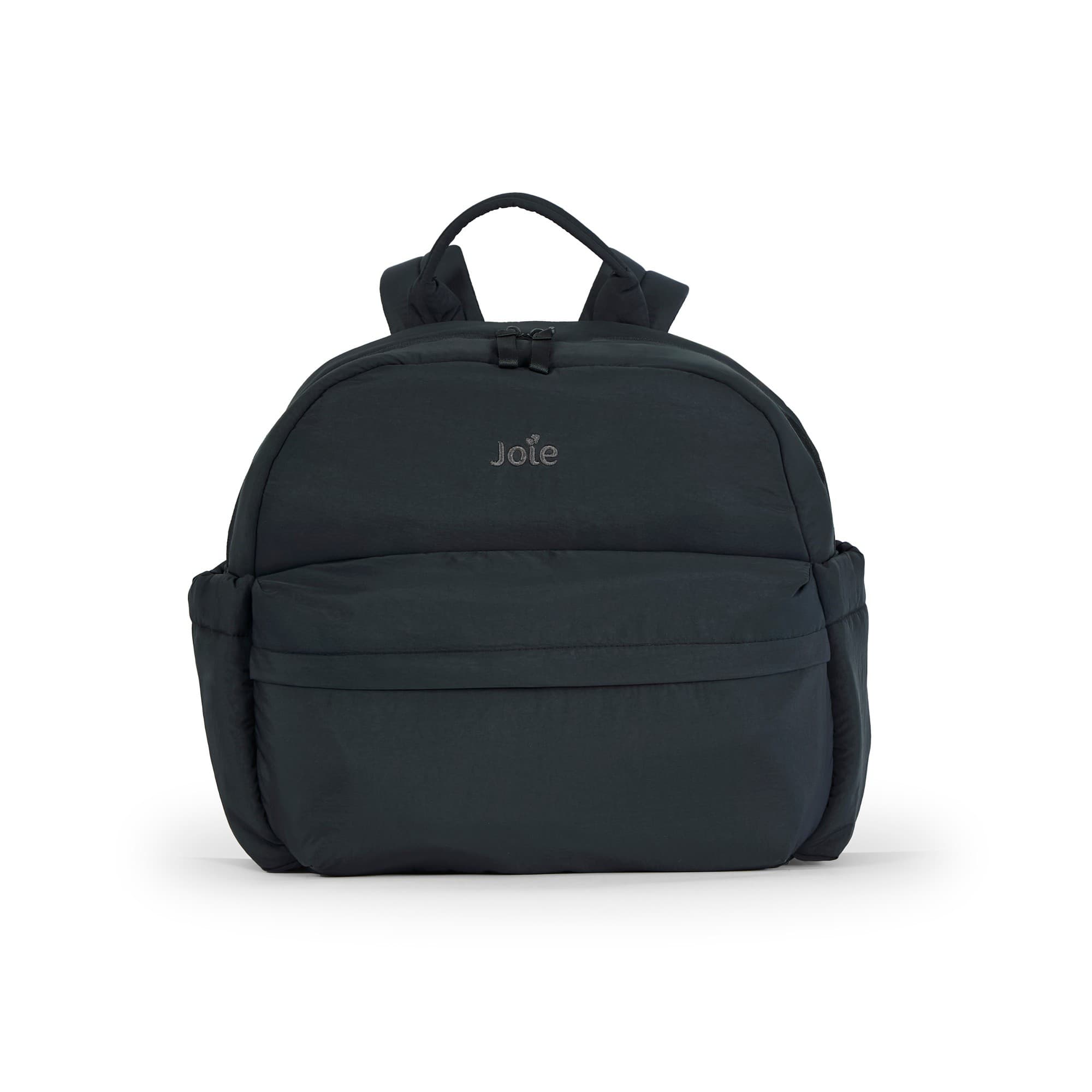
Joie Backpack Nappy Bag (Raven)
$99.00
Sleep gear is where safety guidance matters most, which is why we recommend reading before buying. Since 19 January 2026 Australia has had mandatory safety standards for infant sleep products, and the practical advice in Product Safety Australia's household cots guide is short and worth every minute: a firm, flat mattress that fits the cot with no gaps, nothing soft in the sleep space, and no missing or modified parts. Buy sleep items new where you can, and ask the retailer to show the standard on the listing. A bassinet is optional; plenty of babies go straight into the cot.
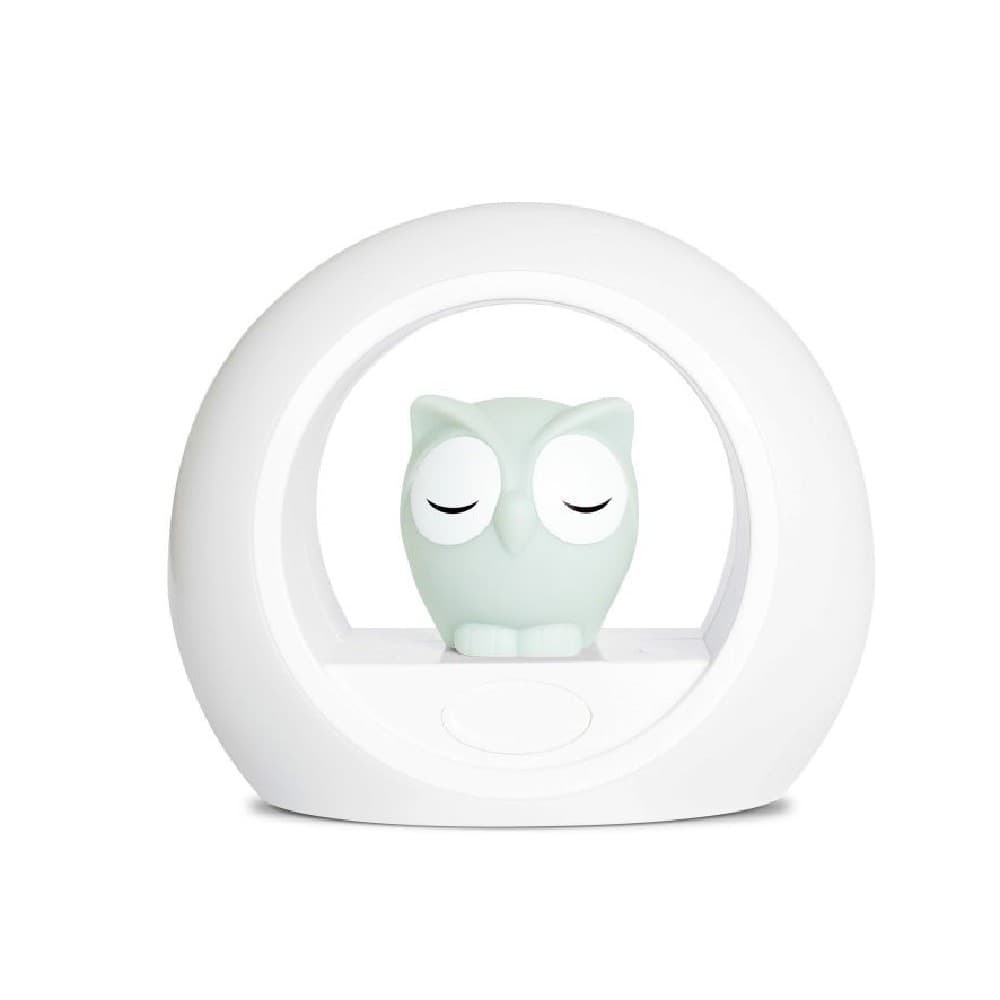
The rest of the nursery is easier. A change mat does the job of a dedicated change table, and the safest place to use it is a clear spot on the floor, where there is nowhere to fall from. If you change your baby on a raised surface instead, the ACCC's change tables guide applies: barriers on all sides to stop a roll, everything you need within reach before you start, and a hand on your baby the whole time, because you can never step away. A monitor is genuinely optional in a small home, and it is a convenience, not a safety device: audio-only models are cheap and reliable, video models are nicer for watching a toddler resettle, and if the monitor uses wifi, change the default password. A night light earns its keep during 3am feeds, when you want to see without waking anyone fully. Setting the room up from scratch? The nursery checklist walks the sleep-space rules and buying checks in detail, our baby monitor guide compares audio and video models, and if you are weighing up a humidifier for the nursery, our humidifier guide covers what to look for.
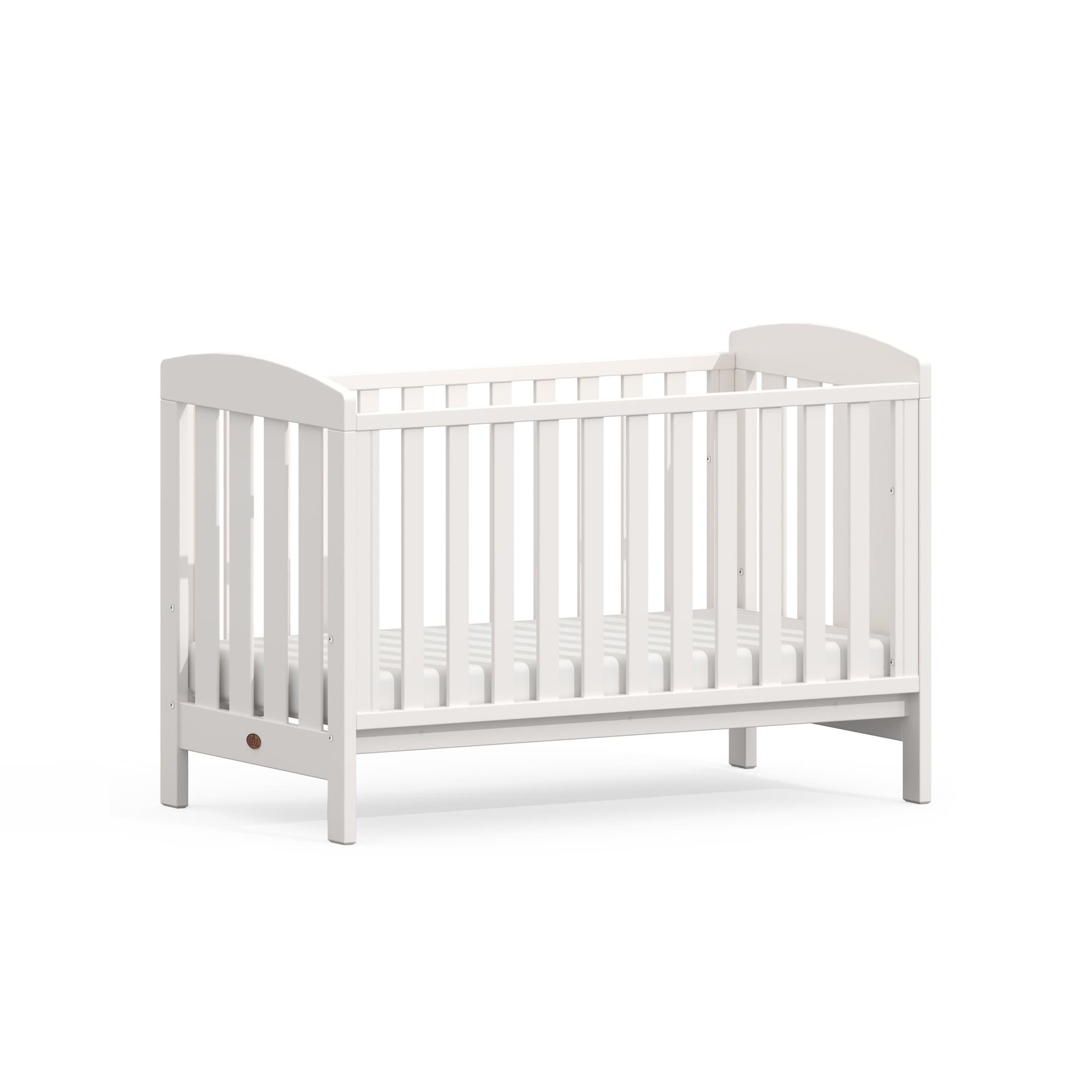
Boori Alice Cot (White; takes a 1320×700mm mattress)
$499.00
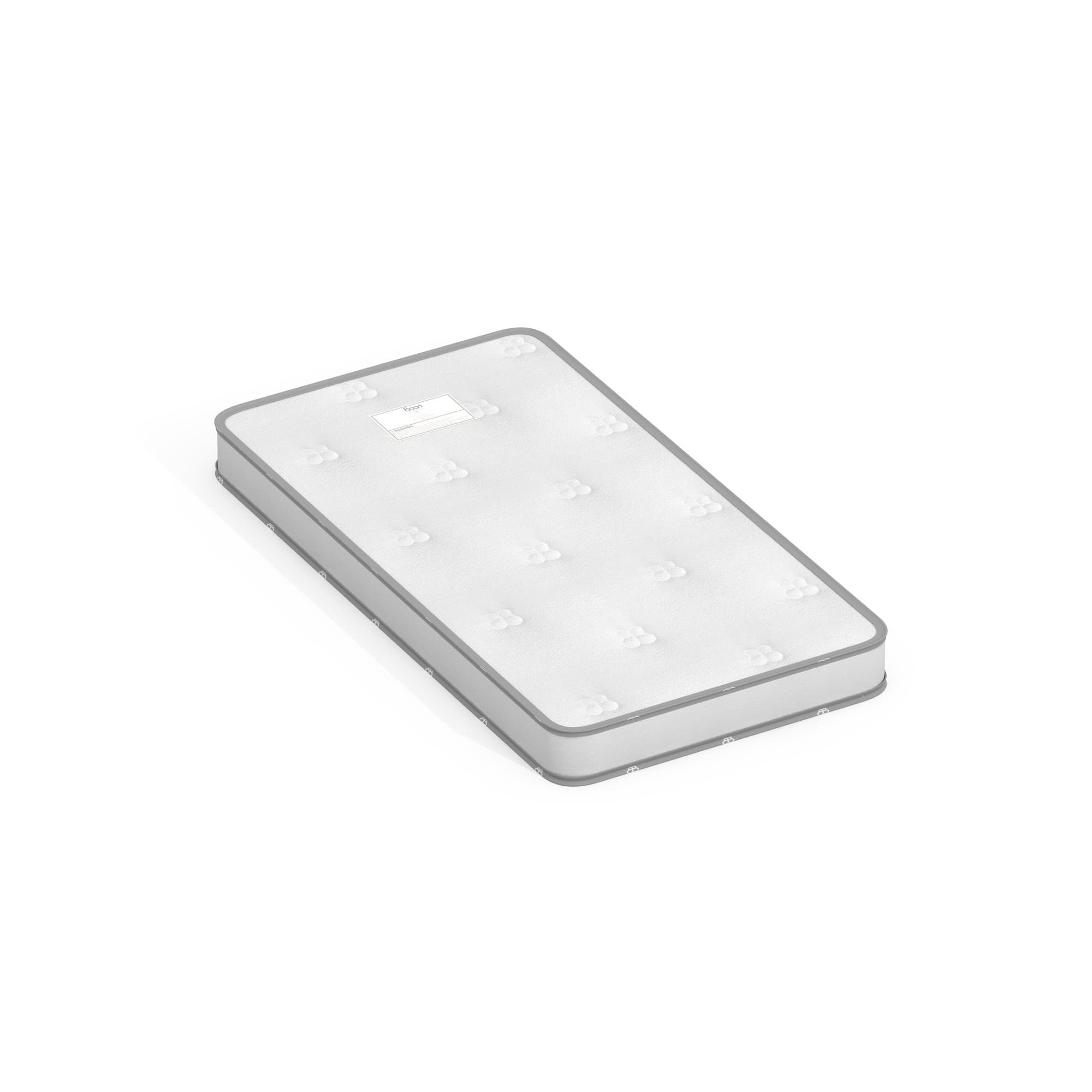
Boori Pocket Spring Cot Mattress (sized for standard 1320×700mm cots)
$189.00
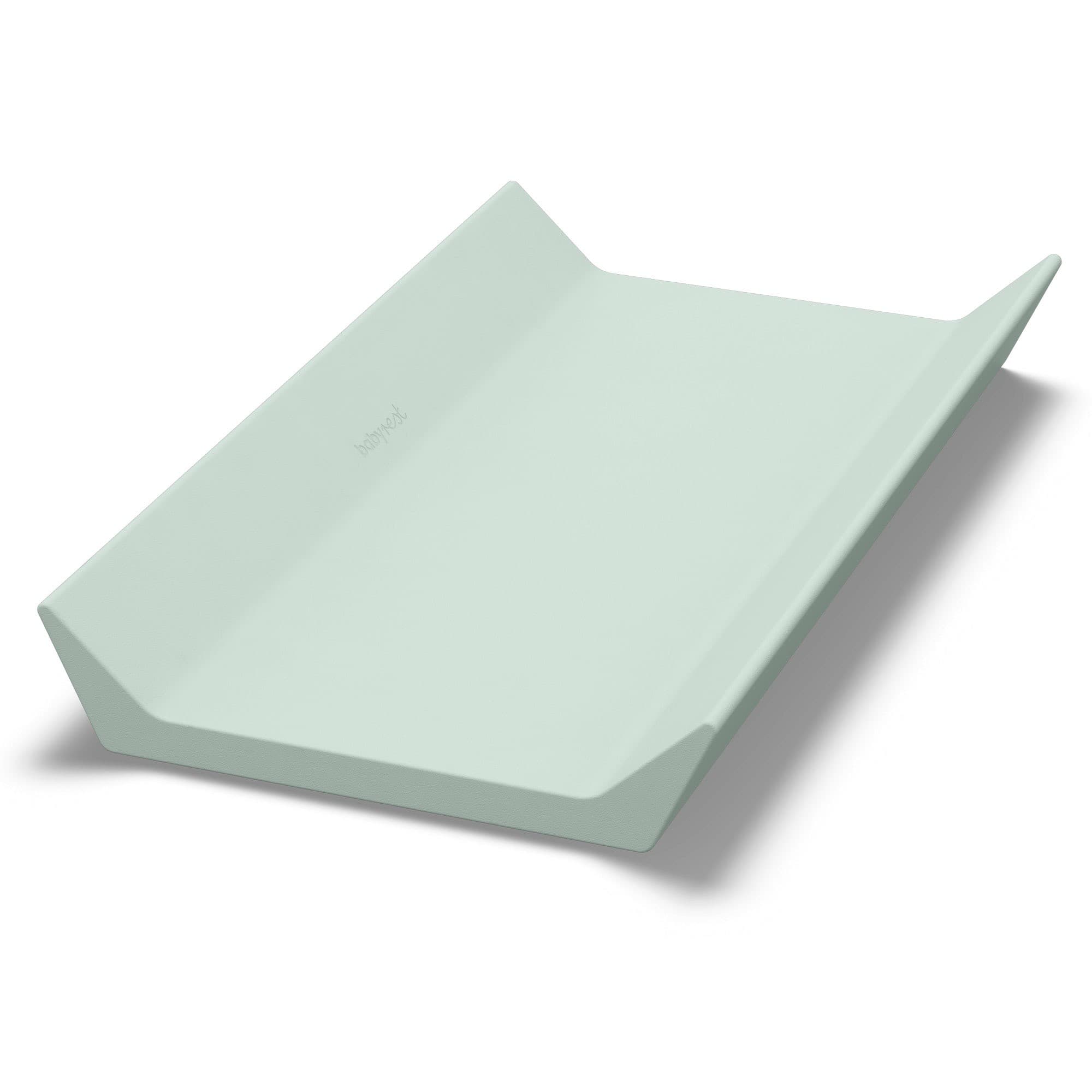
BabyRest Nova Change Mat (Sage)
$189.00
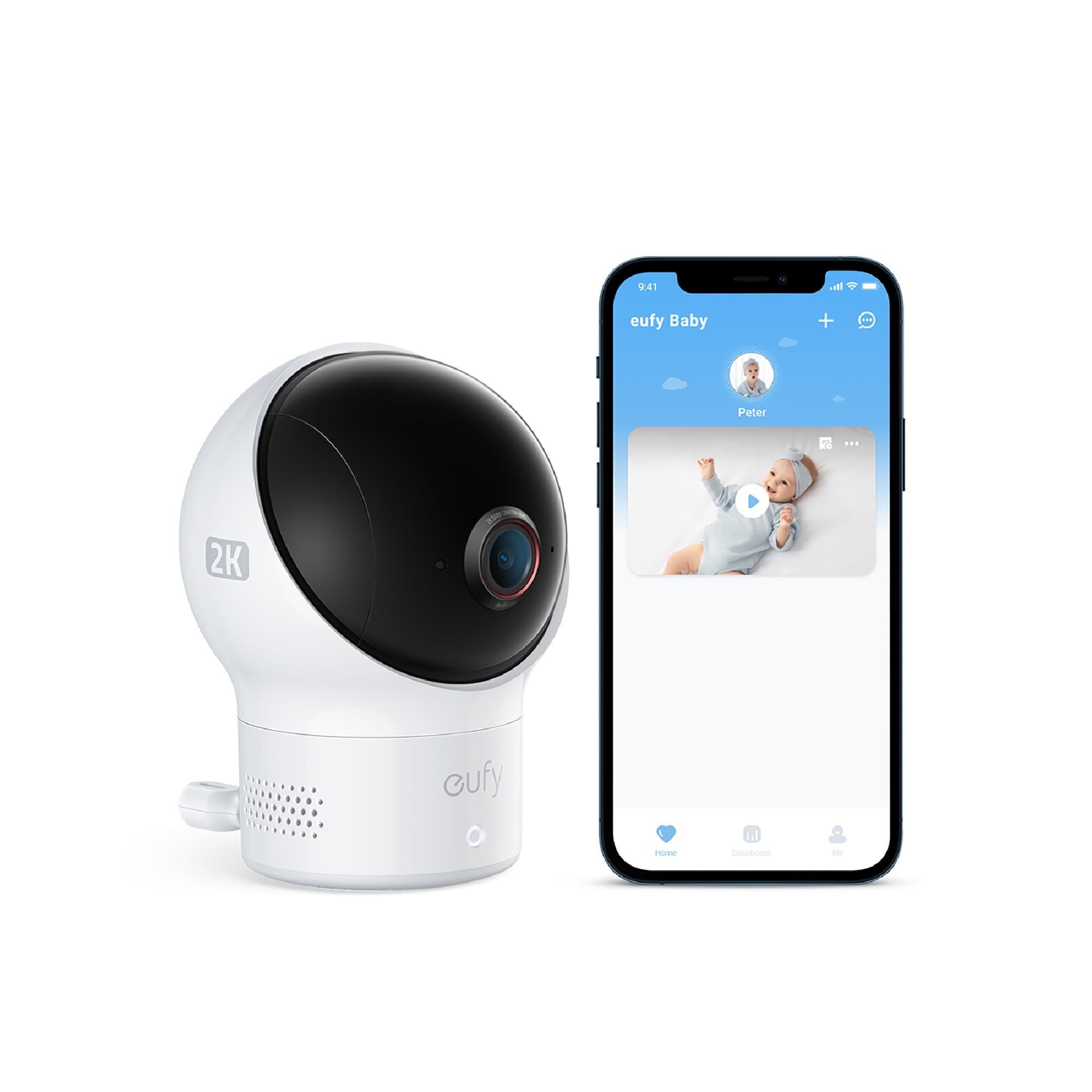
Eufy 2K Wi-Fi Video Baby Monitor
$229.95
A few swaddles cover the newborn weeks: lightweight cotton or muslin, firm but not tight, with room for the legs to bend. Red Nose's wrapping guidance says to stop wrapping when your baby shows signs of rolling or reaches three months. After that a sleeping bag takes over from blankets: fitted at the neck and arms, no hood, sized for your baby, with a TOG that suits the room. Ask for two, so one can be in the wash. Swaddles and sleeping bags are worn rather than slept on, so they are not sleep surfaces and sit outside the infant sleep products standard, although a sleeping bag with sleeves or arm openings is children's nightwear and must carry a fire hazard label. The sleepwear checklist has the full safe-sleep detail.
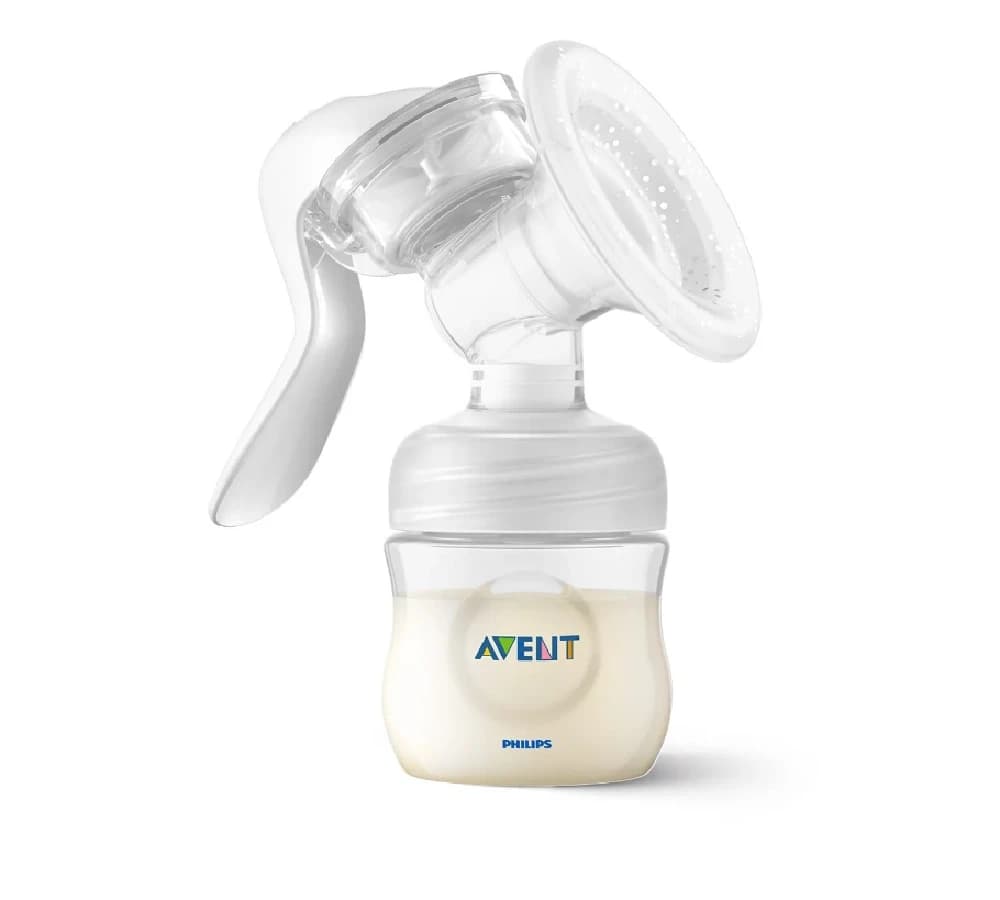
Start small with bottles. Babies are opinionated about teats, so buy two or three of one brand and see how it goes before committing to a full set. A microwave steriliser is the simplest way to keep up with the washing in the bottle-heavy months. For pumping, a silicone catch pump costs little and collects the milk that would otherwise be lost mid-feed, which makes it a sensible first pump; hold off on an expensive electric until you know how feeding is going.
The high chair is the classic registry timing trick: you will not need it until solids start around six months, but gifts arrive before the birth, so it belongs on the list now. Look for a wipeable seat with no fabric crevices and a wide, stable base, and once it is in use, follow Product Safety Australia's high chairs guide: buckle the harness every time and stay with your baby while they are in the chair. Bibs are the opposite: cheap, constantly dirty, and impossible to have too many of. Ask for at least eight. The bottle trial, the sterilising routine and the pump decision get their own walkthrough in the feeding essentials checklist. Our blog guides to bottles for breastfed babies, bottle warmers and nursing pillows go further, the last two covering extras that are not on the core list.
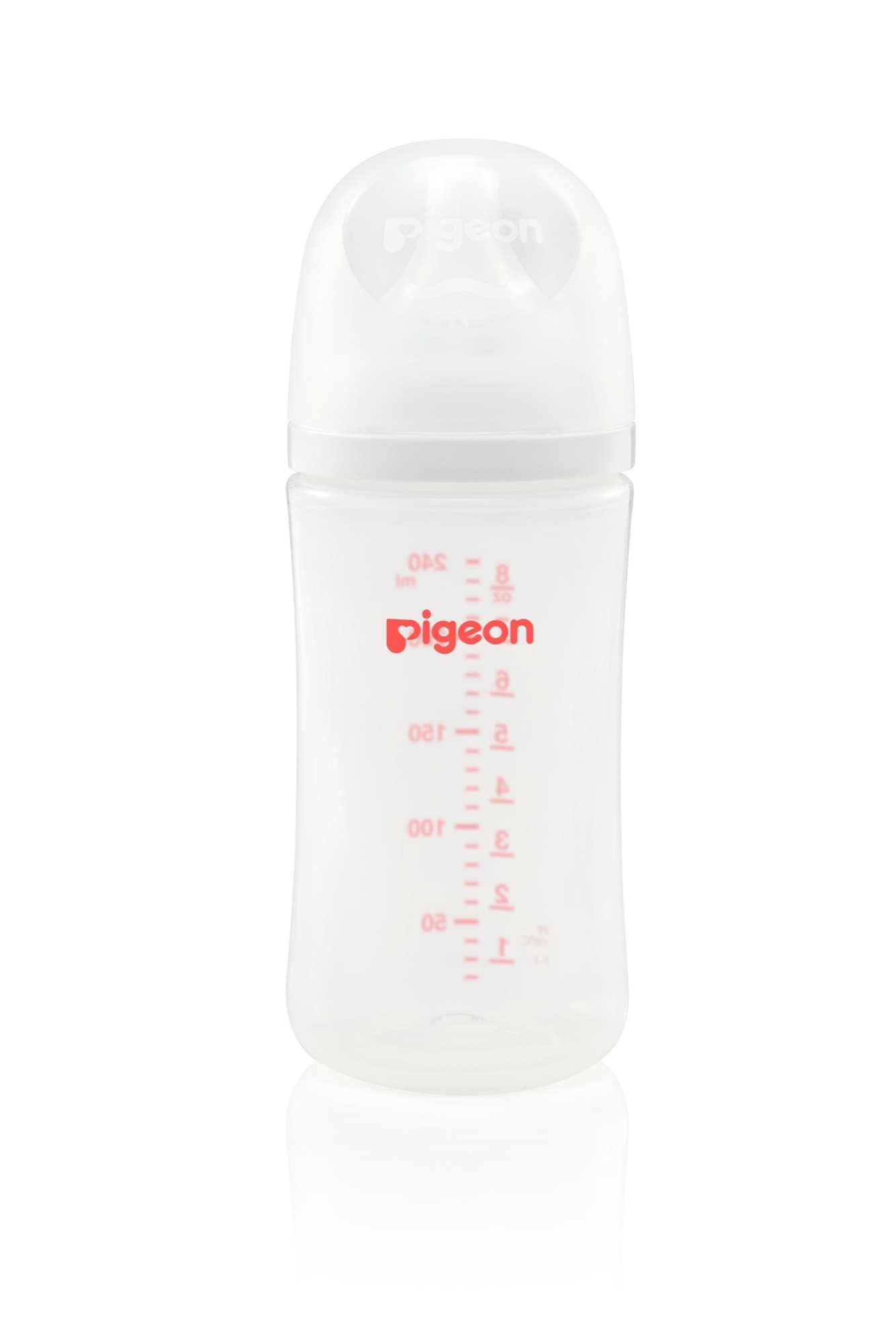
Pigeon SofTouch III Bottle 240mL
$24.99
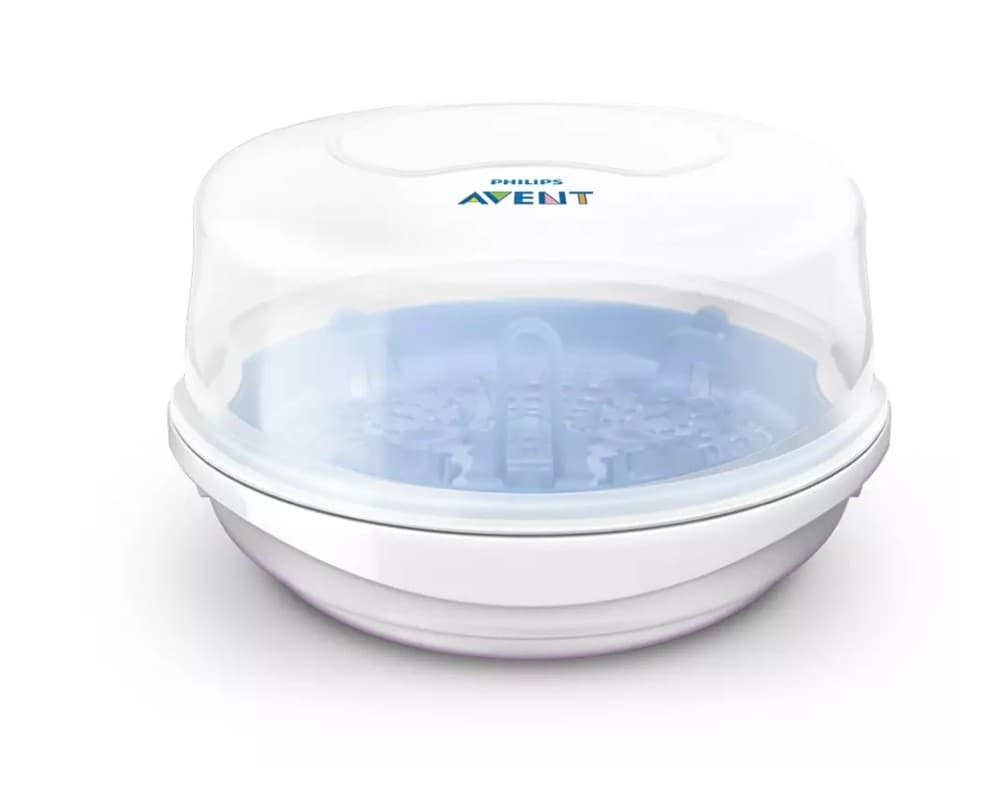
Philips Avent Microwave Steriliser
$69.99
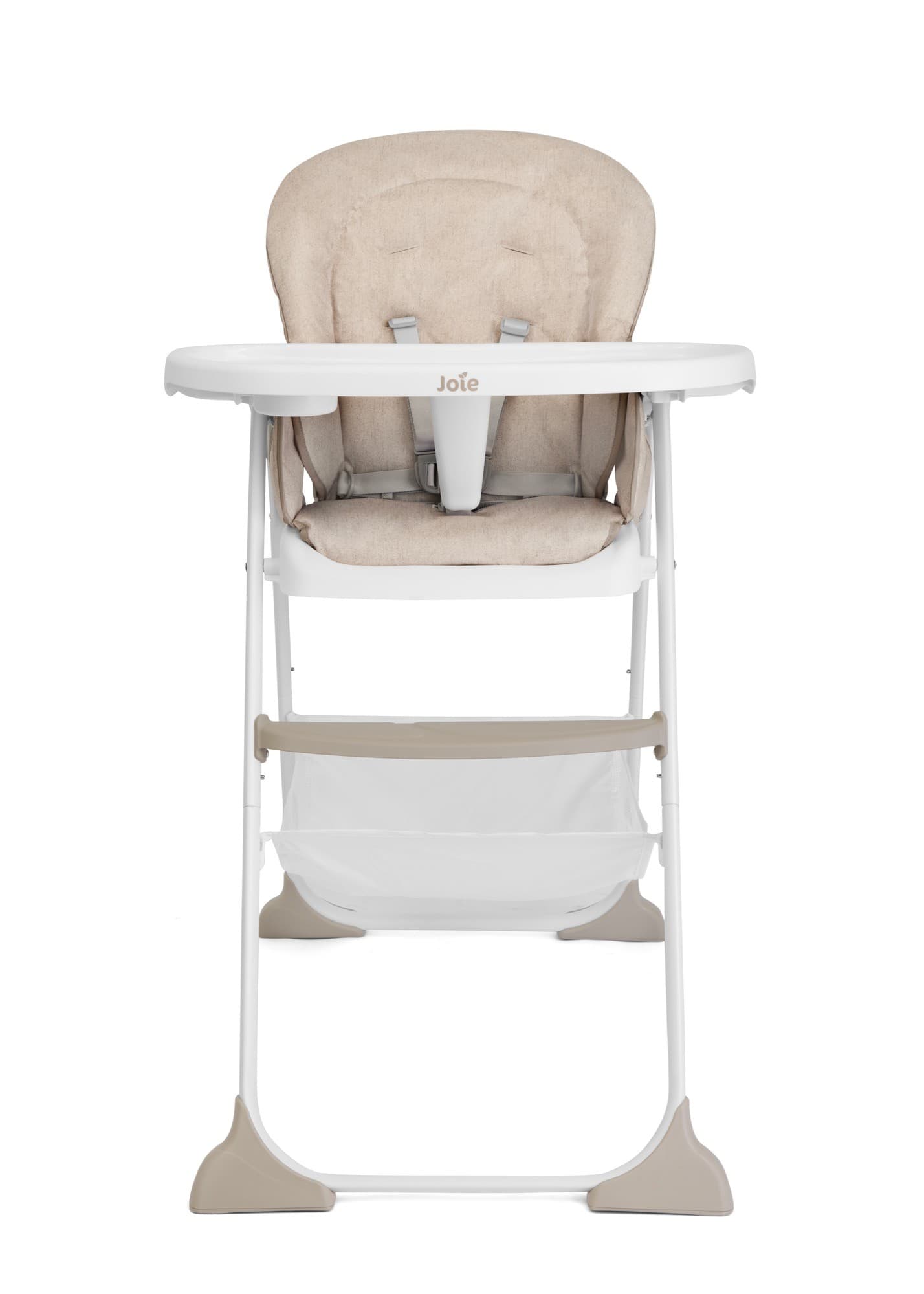
Joie Mimzy Snacker High Chair (Taupe)
$129.00
Australian baby sizing starts at 0000 for newborns, but many babies wear it for weeks, not months. Ask for the bulk of the wardrobe in 000 and 00, and think ahead to the season your baby will be in each size, not the season they are born into. Six to eight each of singlets and zip suits covers the newborn laundry cycle; zips beat press studs at 3am every single time.
Muslin wraps are the most reused item on this list: swaddle, feeding cover, burp cloth, emergency change mat. Eight is a sensible minimum. If you wrap your baby for sleep, follow the safe swaddling guidance: face uncovered, wrap below the shoulders, and stop swaddling as soon as your baby shows signs of rolling. The one job a wrap should never do is cover a pram: NSW Health warns that draping even a light dry cloth over a pram restricts the airflow and pushes the temperature inside up fast; use the pram's own canopy for shade and keep the air flowing around your baby instead. Add a couple of cotton beanies for outdoors, remembering hats and beanies come off for sleep, and more socks than seems reasonable, because socks vanish. Due in summer? Ask for light cotton layers and a sun hat for outings, and put one sleeping bag in the right weight for the season on the list, with the next size and season on a later list.
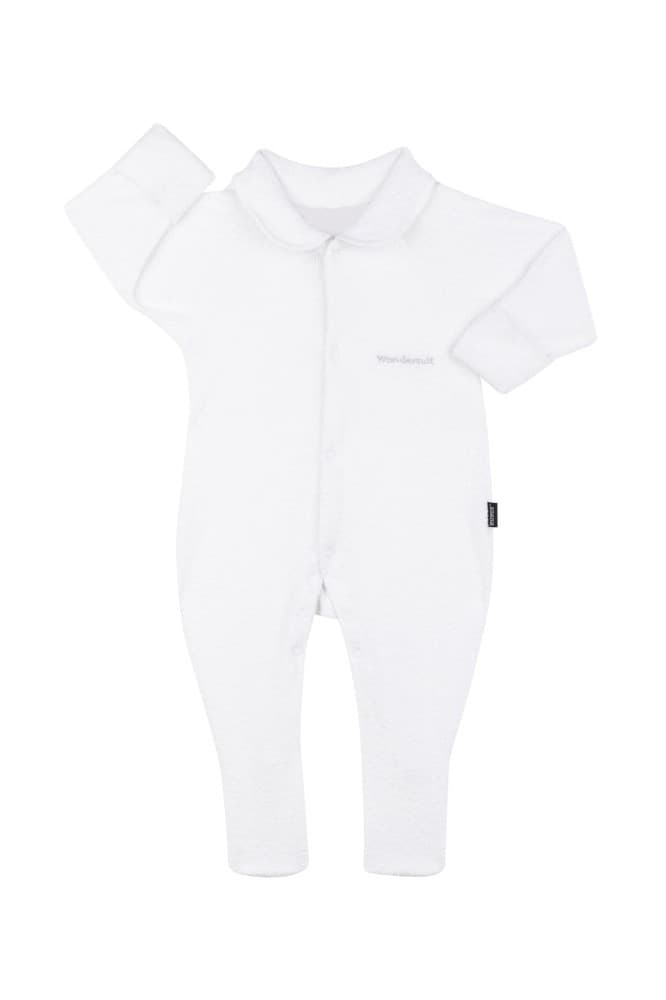
Bonds Original Wondersuit (White, size 00)
$28.99
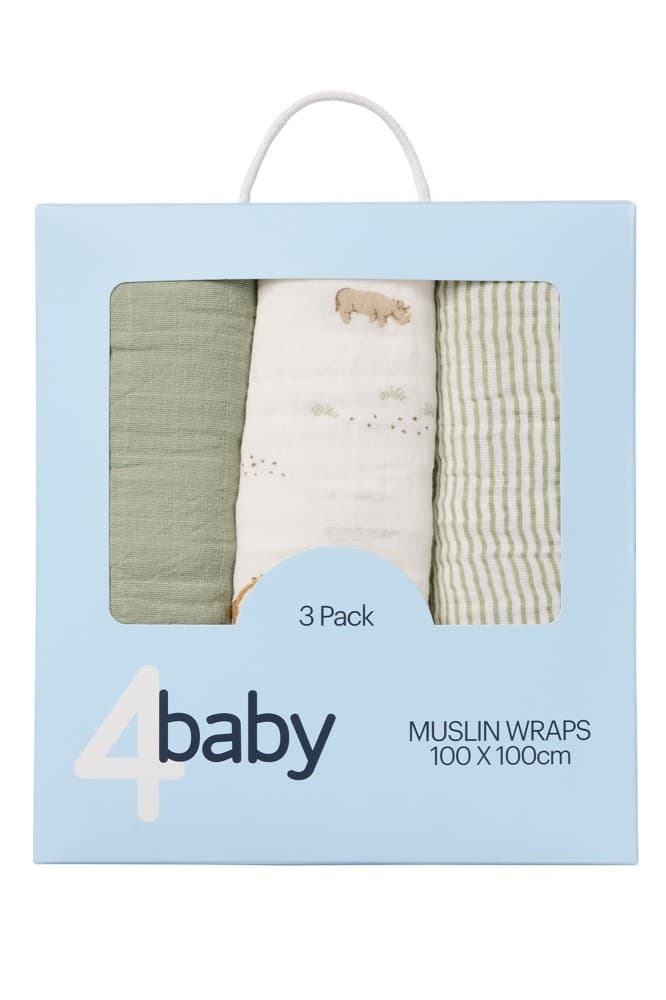
4baby Muslin Wrap 3 Pack (Sage)
$34.99
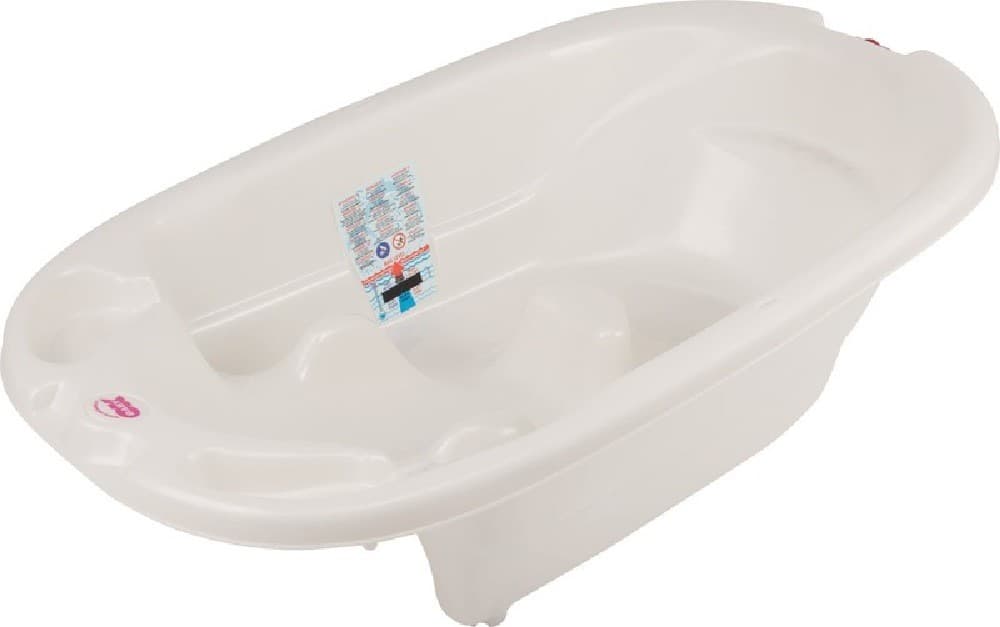
A newborn needs a bath two or three times a week, and for the first weeks the kitchen sink or laundry tub with a clean towel underneath works fine. Wherever you bath your baby, the Pregnancy, Birth and Baby guidance is non-negotiable: stay within arm's reach for the entire bath and never leave a baby alone in water, even for a moment. A dedicated baby bath is a convenience rather than a necessity, so it sits well on a registry, and our baby bath tub guide compares the options if you want one. What you will reach for daily are hooded towels and soft washers: four towels and a dozen washers is a realistic supply. A grooming kit matters for exactly one reason, which is that newborn nails grow fast and scratch faces; the Pregnancy, Birth and Baby nail guidance says an emery board may be all you need in the newborn weeks, with baby-sized clippers or scissors equally fine options as your baby grows.
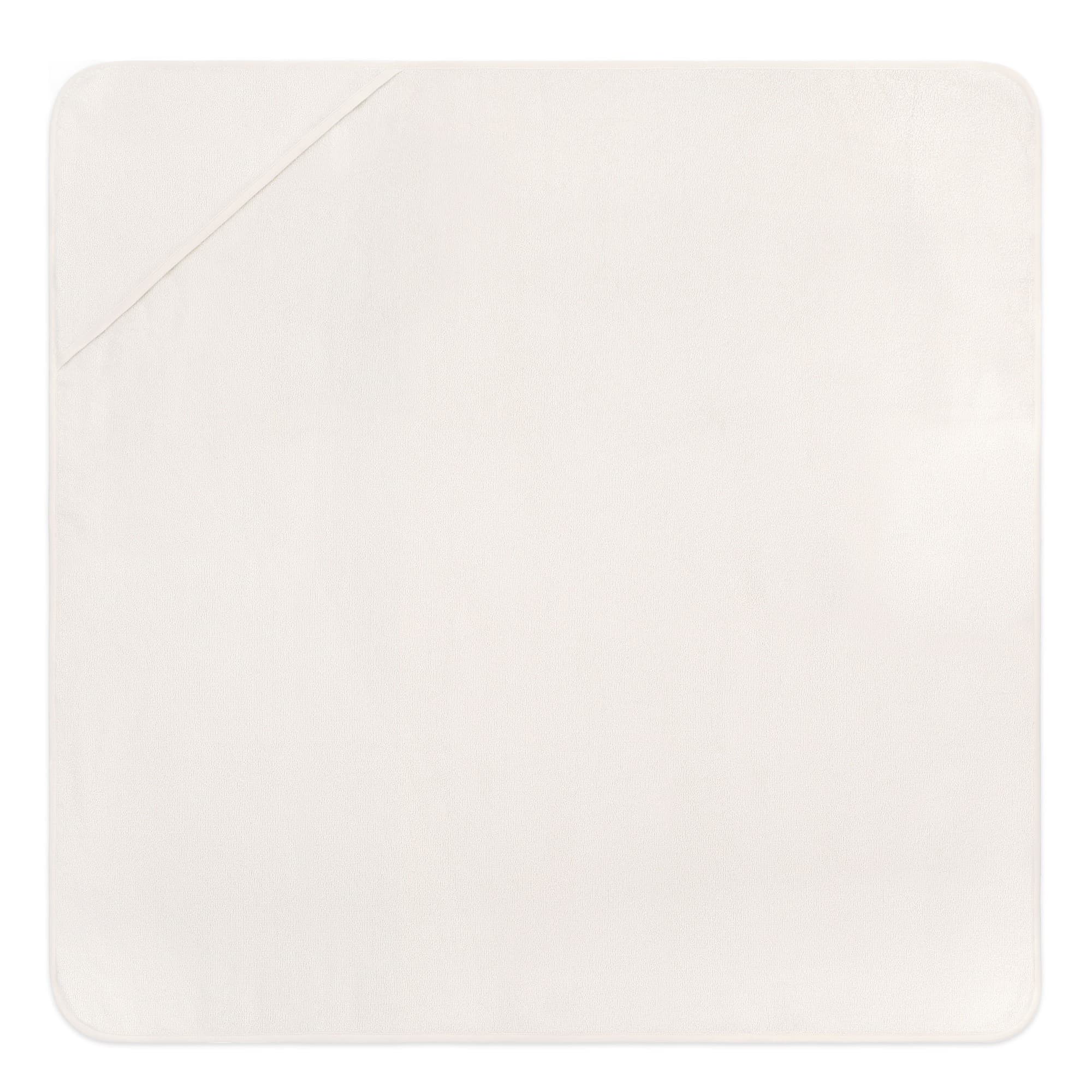
4baby Hooded Towel (White)
$19.99
Newborns need somewhere safe to lie and something to look at, and that is the whole brief. A padded play mat gives you a clean spot on the floor for tummy time anywhere in the house; tummy time is for babies who are awake, with you watching. A bouncer gives you a safe place to put the baby down while you stay in the same room: babies must always be actively supervised in a bouncer, kept in sight and within reach, and never left to sleep in one. We deliberately make no bouncer recommendation, because the ACCC has reviewed inclined baby products and the safe-use rules matter more than the model; Product Safety Australia's bouncers, rockers and swings guide spells those rules out. On toys: a few high-contrast options made for babies, with no small or loose parts, beat a toy box, and the grandparents will handle the rest whether you ask them to or not. Simple, screen-free toys last longest: a soft activity toy that hangs from the pram, a few rattles and soft books, and chunky blocks once your baby can sit and grab. Check the age guidance on the packaging every time.
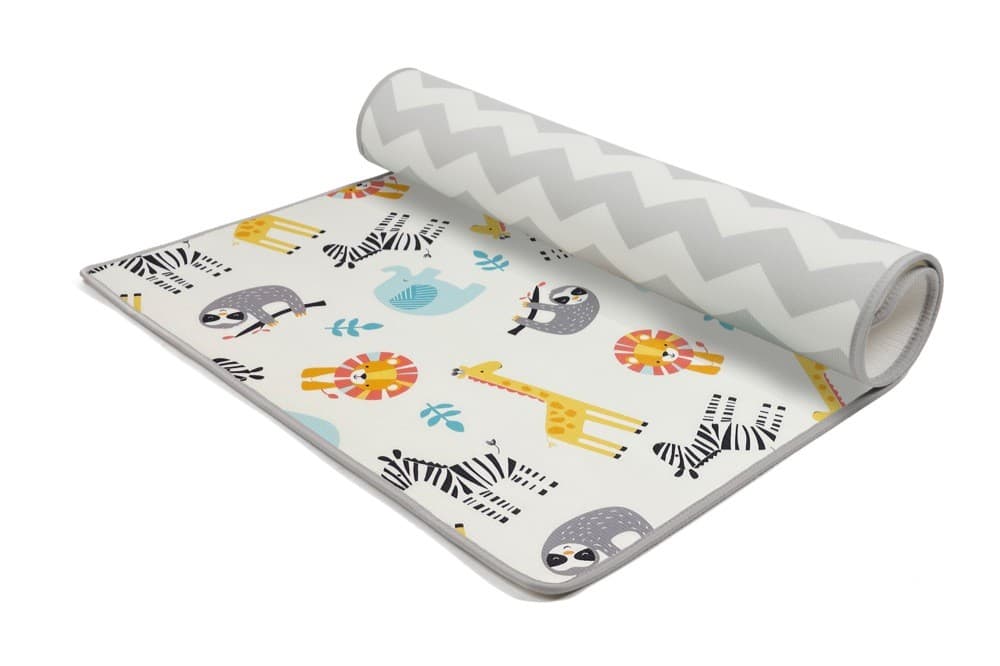
4baby Playmat Safari 120×180cm
$69.99
Three parts of this list carry Australian mandatory safety standards that matter for a registry, and the label is how you check them.
Every child car restraint sold in Australia must be certified to AS/NZS 1754. Look for the certification on the seat itself as well as the listing, keep the instruction book, and check the expiry date printed on any seat you are offered second hand. A seat bought overseas may not be certified to the Australian standard at all.
Prams and strollers sold in Australia must meet a mandatory standard based on AS/NZS 2088. It requires a parking brake, a tether strap and a warning label, and a stroller must also have a harness with waist and crotch straps. Check for them on any pram you are offered second hand.
Since 19 January 2026 Australia has had mandatory safety standards for infant sleep products, and cot listings often name AS/NZS 2172, the household cot standard. A cot mattress listing may name AS/NZS 8811.1 instead, which is a firmness test: useful, but it covers firmness only, not the whole standard. Whatever the label says, the basics in the Product Safety Australia guidance stay the same: a firm, flat mattress that fits the cot with no gaps, and nothing soft in the sleep space.
Carriers, change tables, high chairs and bouncers each have a Product Safety Australia guide, linked in the sections above. When you are unsure about a product, ask the retailer which standard it meets, whether the model has been recalled and whether the instruction manual is included, and for a second-hand car seat, whether it has ever been in a crash. You can also search the recalls list on the Product Safety Australia website yourself before you buy.
Prices swing widely by brand, so we anchor ours to something real: the recommended picks on this page, priced at Baby Bunting when we checked them on 5 October 2026. Read the ranges as a guide to a solid mid-range choice rather than the cheapest or the dearest option, and look at the tiles in each section for today's price.
| Category | Our picks (AUD) |
|---|---|
| Travel | $99 nappy bag, $349 car seat, $1,299.99 pram |
| Nursery | $28 night light to $499 cot, with the mattress and change mat at $189 each |
| Feeding | $24.99 for one bottle to $129 for the high chair |
| Clothing | $28.99 for one zip suit, $34.99 for three muslin wraps |
| Bathing | $19.99 hooded towel to $89.95 baby bath |
| Play | $69.99 play mat |
The pattern is the useful part. Travel and nursery are where a registry does the most work, so the pram, car seat and cot are the items to list as group gifts. Feeding, clothing and bath basics suit guests who want to buy something small and specific, which is why a good list has plenty of them.
A good checklist also says no. These are the things we would leave off, or skip for now until you know your baby and your home.
Then there is the buy-later pile: things you will want, just not yet. The high chair and weaning gear (soft-tipped spoons, a couple of suction bowls, a cup and a splash mat) come in around six months, when solids start. Clothes in sizes 0 and 1, a bigger sleeping bag for the next season, board books and a baby gate for when your baby starts crawling belong in the same pile. They still make good registry gifts, because they arrive before the birth and wait in the cupboard until you need them.
If the cot, the pram and the car seat are already in the garage, the list shrinks to the things that wear out: wraps, cot sheets, bottles, nappies, a sleeping bag for the new season and clothes in the right size for the right season. The gap between your children changes the rest. Close in age, and the older one may still be using the cot, pram or high chair, so you may need a second. Further apart, and it pays to check what you kept: look up the expiry date on the car seat, and replace a mattress that is no longer firm and flat. A meal fund matters even more the second time. Our blog post on whether you need a registry for a second baby weighs up when to run one.
Around two dozen essentials before the birth, which is what this checklist covers, plus a handful of things for months 3 to 12 and a couple of named funds. That gives guests a real choice at every price without the list reading like a catalogue.
Most Australian parents start around weeks 20 to 24, after the anatomy scan, and share the link four to six weeks before the shower. That leaves time to buy any missing must-haves yourself about a month before the due date.
Anything soft for inside the cot, such as bumpers, pillows and soft toys. Leave off newborn shoes, a whole wardrobe in size 0000 and gadgets added just in case, too. The skip list on this page gives the reason for each.
A few big items listed as group gifts (the pram, car seat and cot), a middle band of ordinary shower gifts like the bath, high chair and monitor, and plenty of small useful things such as bottles, wraps and towels for colleagues and acquaintances. The price guide on this page shows where each category sits.
Fitted cot sheets (four is a workable minimum), a nappy fund instead of boxes in one size, a sleeping bag for the season your baby will be in, and the things for after the newborn weeks, like the high chair. A meal fund for the first month is worth adding as well.
Not really. A baby shower list is the gifts you would like, usually shared with the shower invitation. A baby registry is that same list online behind one link, so guests can see what has already been bought and put money towards the bigger items. On EasyRegistry they are one and the same.
An EasyRegistry baby registry starts with this checklist built in, so friends and family can see what is still needed and chip in for the big items together. It is free to create.