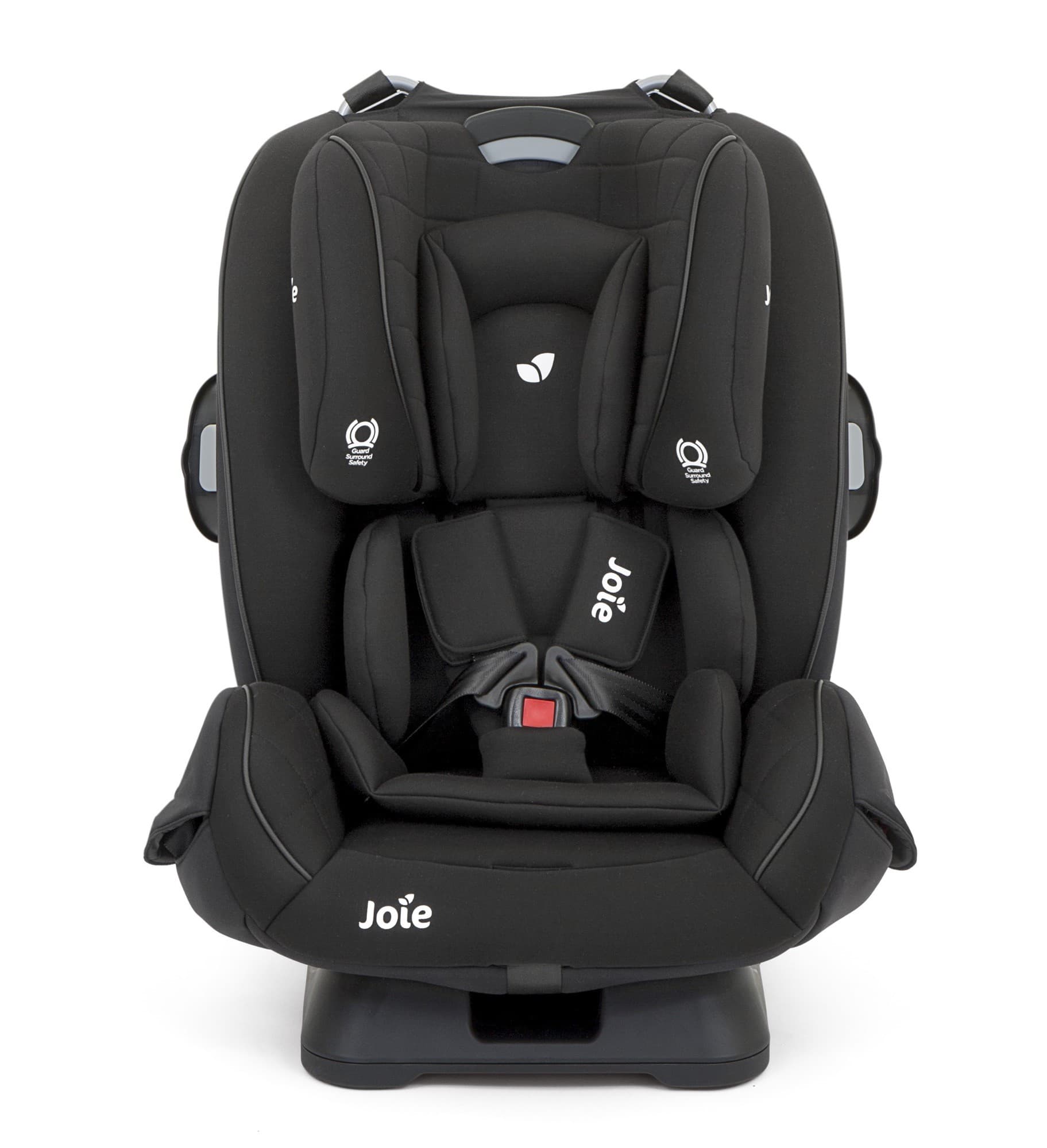
Car SeatRecommended
Joie Armour FX Car Seat Midnight
Joie Armour FX Car Seat (Midnight)
$349.00
Travel gear is the expensive end of the baby registry checklist, and the end where buying decisions carry real safety weight. Four items cover it: a car seat, a pram, an optional carrier and a nappy bag. Here is how to choose each one for Australian roads, footpaths and weather.
Child car restraints in Australia are covered by a mandatory safety standard, and the law is specific about use: babies must travel in a rearward-facing car seat for at least their first six months. Product Safety Australia's car seats guide is the page to read before you shortlist. Look for a five-point harness (two shoulder straps, a waist strap and a crotch strap) and a tether strap that anchors to the car, and once the seat is in, check the harness sits snug with no slack or twists at every trip.
Fitting matters as much as the seat itself. The same guide points to authorised fitting services, which you can find through your state or territory road transport authority, Kidsafe, or the retailer you buy from; a professional fitting is worth booking for a first baby. Two habits to build from day one: dress your baby in regular clothes under the harness, because blankets, swaddling and puffy jackets stop the straps holding properly, and treat the seat as transport rather than a bed, because it is unsafe for a baby to sleep in a car seat for long periods.
The second-hand rules are stricter for a car seat than for anything else on this list. Product Safety Australia's advice is to walk away from any seat that has been recalled, is more than ten years old, shows damage like cracks, broken buckles or frayed straps, has no assembly instructions, or has an accident history you cannot verify. If the family history of the seat is unknown, the answer is no, whatever the price.
Prams and strollers sold in Australia are also covered by a mandatory standard, and Product Safety Australia's prams and strollers guide describes what to look for: effective brakes including a red parking brake, a harness that stops a baby standing up or slipping down (the five-point style over the shoulders, around the waist and between the legs is the safest), and a tether strap on the handle. Use all three every time you are out: parking brake on whenever you stop, harness clipped even for a sleeping baby, and the tether strap around your wrist.
The practical test happens before any of that: fold the pram in the shop and check it against your boot, because a pram that does not fit the car gets left at home. For a newborn you want a seat that lies flat or takes a bassinet attachment. Two cautions from the same guide: a pram is not a safe sleeping environment, since the inclined seat can push a baby's chin toward their chest and restrict breathing, so if your baby nods off, recline the backrest fully and wake them promptly, and never leave a baby unattended in a pram. In summer, resist the instinct to drape a wrap over the hood for shade: NSW Health warns that covering a pram with even a light dry cloth restricts airflow and pushes the temperature inside up fast; use the canopy and keep air moving instead.
A baby carrier is the optional item that earns its place fastest: school runs, shopping, and a baby who only settles upright. Before the first wear, read Product Safety Australia's baby carriers, wraps and slings guide and keep its rules the whole time your baby is being carried: you should always be able to see your baby's face by looking down, their nose and mouth stay uncovered, their chin stays off their chest, and you check on them regularly, because the guide warns a baby can be in distress without making any noise or movement. The nappy bag is the easy one; any bag with a fold-out change mat and room for two changes of clothes does the job, so put it on the registry at whatever price point suits and spend the saved money on the car seat.
Sorting the sleep side of the setup next? The nursery checklist covers the cot, mattress and change area, and if you are still picking where to host the registry itself, our best baby registry comparison walks through the options. Travel gear is exactly where group gifting shines: a pram is more than most single guests will spend, so let three or four people fund it together.
Heads up: we may earn a commission when products are bought through the retailer links in this guide. Prices and details come from a recent check of the retailer's catalogue and can change.
Joie Armour FX Car Seat (Midnight)
$349.00
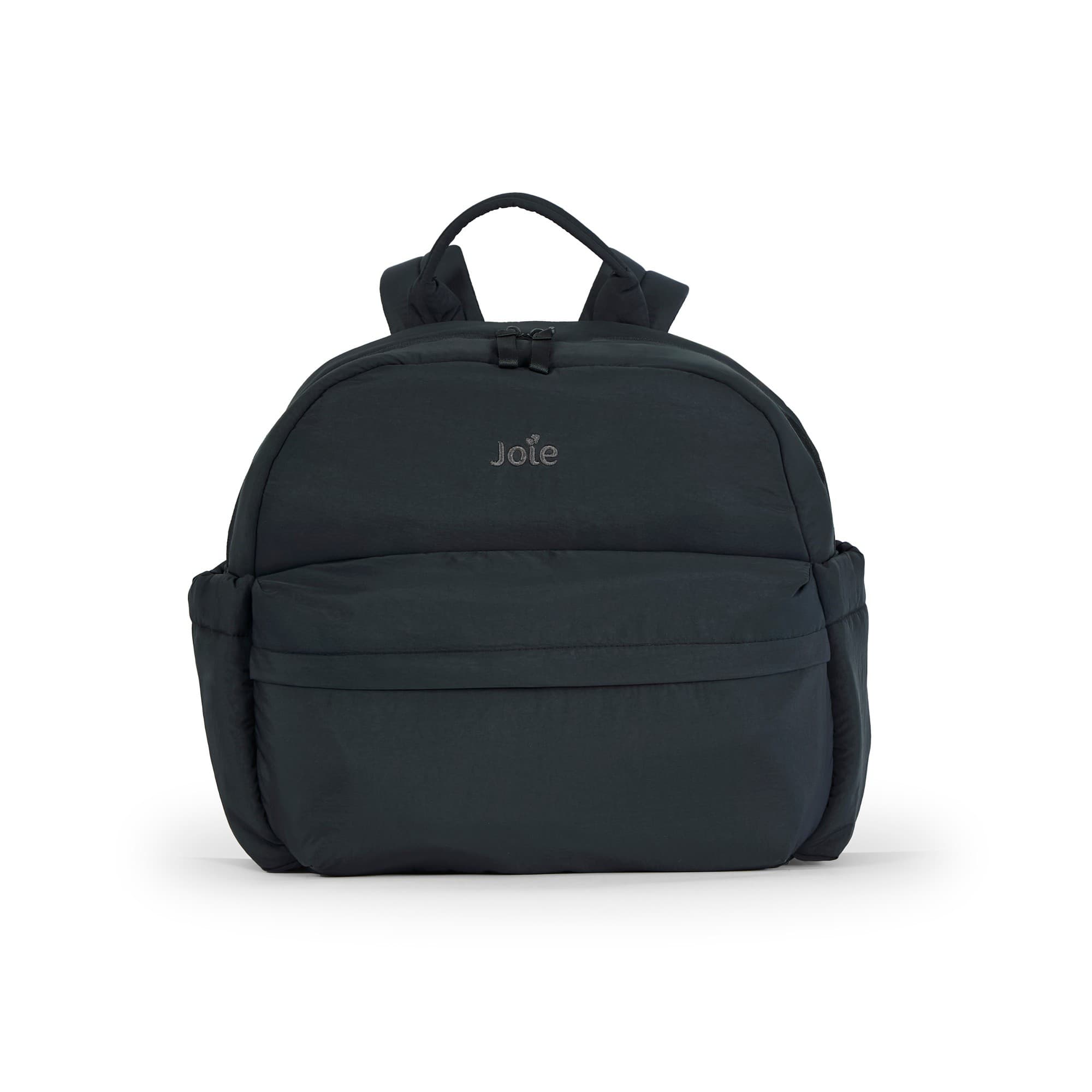
Joie Backpack Nappy Bag (Raven)
$99.00
An EasyRegistry baby registry lets guests chip in together for the pram and car seat instead of buying ten small things nobody asked for. It is free to create.