CotRecommended
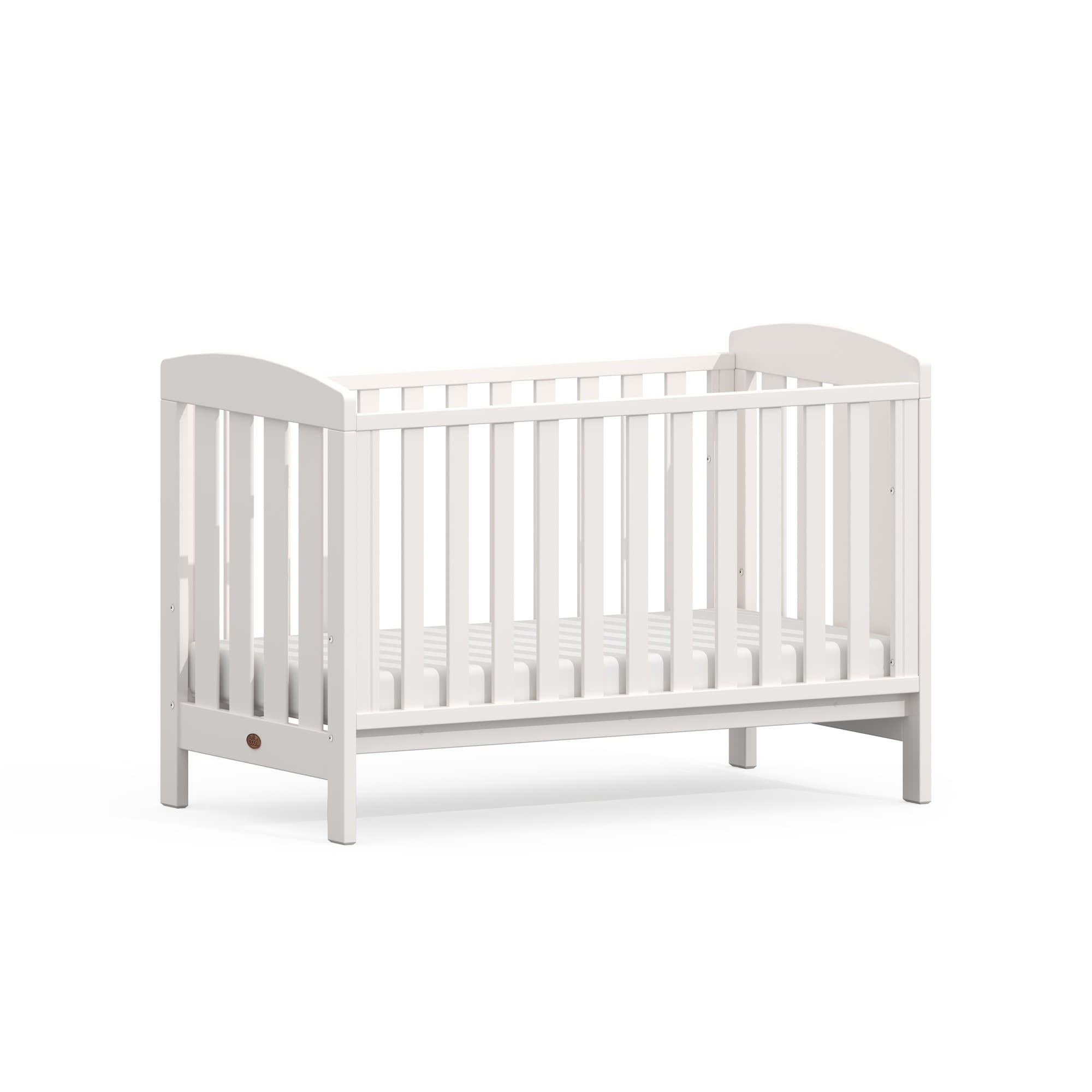
Boori Alice Cot White
Boori Alice Cot (White; takes a 1320×700mm mattress)
$499.00
For the nursery you need eight things from the baby registry checklist: a cot and the mattress made for it, an optional bassinet, a change mat, swaddles and a sleeping bag before the birth, then a monitor and a night light in the first 3 months. Around them, set up the room: 2 to 3 fitted cot sheets, a mattress protector, storage anchored to the wall, a chair for feeds, blinds with the cords away from the cot and a bin for nappies. Your baby sleeps in your room for at least the first six months, so the cot or bassinet comes first and decorating can wait.
The nursery and sleepwear items from the full checklist, grouped by when you need them, with how many to ask for and a budget price where we checked one (Target AU's own listings, checked 22 October 2026). Ticks are saved in this browser and show on the full checklist too. For wraps and sleeping bags by season, see the baby sleepwear checklist.
The rest of the room, beyond the items you tick off above. The government's Pregnancy, Birth and Baby nursery checklist lists most of these too.
| For the room | How many, and what to look for |
|---|---|
| Fitted cot sheets | 2 to 3 (Medibank); Baby Bunting says two sets at a bare minimum, ideally more. Buy them for your mattress size. |
| Waterproof mattress protector | Under the fitted sheet and sized for the mattress, so the sleep surface stays firm and flat. |
| Drawers or a wardrobe | Anchor it to the wall. Pregnancy, Birth and Baby says to make sure furniture is anchored properly, and Product Safety Australia has advice on furniture that can topple. |
| A chair for feeds | A comfortable chair, and a feeding pillow if you like one; both are on the Pregnancy, Birth and Baby list. |
| Blinds or curtains | Blackout blinds are optional, for daytime naps. Keep the cot away from blind and curtain cords, as Product Safety Australia's household cots guide says, so choose cordless blinds or keep the cords well out of reach. |
| Smoke alarm | Pregnancy, Birth and Baby's nursery checklist says to install one. |
| Nappy bin | A lidded bin beside the change mat, and a basket for the washing. |
Before comparing cots, read Red Nose's six safe sleep recommendations: always place your baby on their back to sleep, keep their head and face uncovered, and sleep them in their own safe sleep space in the same room as a parent or caregiver for at least the first six months. That last point changes the shopping list more than any product review does: the cot or bassinet starts in your room, so measure the space beside your bed before you buy, and treat the picture-perfect decorated nursery as a stage two project.
Placement has its own rules. Product Safety Australia's household cots guide says to keep the cot in a clear space, away from blind and curtain cords, heaters, electrical appliances and hanging mobiles, so factor the room layout into what you buy rather than squeezing a king-single-sized cot against the window.
Australia has had mandatory safety standards for infant sleep products since 19 January 2026, and the cots guide above turns them into practical checks: use only the mattress size and thickness designed for your specific cot, never add a second mattress or extra padding underneath or on top, and look for a cot with no gaps that could trap a head, neck or limb and no footholds a climbing toddler could use. That is why we treat the cot and mattress as a single purchase: a beautiful cot with a badly fitting mattress fails the check that matters most.
A family cot handed down is workable when it passes the same guide's second-hand checks: not recalled, meets the current standards, every part present and working, and the original assembly instructions with it. Never modify a cot yourself; the guide is blunt that home modifications can damage the safety features. Keep the inside of the cot bare: a firm, flat mattress, a fitted sheet, and your baby on their back with their face uncovered.
A bassinet is a convenience for the room-sharing months, not a requirement; plenty of babies go straight into the cot. If you do want one, Product Safety Australia's bassinets and cradles guide sets the bar: a firm, flat mattress that fits snugly, breathable ventilation on all sides rather than padded sides, no pillows, bumpers or soft toys inside, and screws and bolts checked regularly so it cannot collapse. It is also a short-lived purchase: stop using a bassinet once your baby shows signs of pushing up on hands and knees or reaches its maximum weight, whichever comes first. Where a sleep product below carries a pick, our curation standard requires a product-specific safety-standard claim from the manufacturer or retailer, checked and dated, before we will show it. That is their stated claim, not our own certification, and for the bassinet the stated claim covers the mattress-firmness standard rather than the complete mandatory standard. So buy new where you can and ask the retailer to show the standard on the listing.
You will do thousands of nappy changes, and the safest place for them is a change mat on a clear patch of floor, where there is nowhere to fall from. If you prefer a raised surface, the ACCC's change tables guide applies in full: barriers on all four sides, supplies within reach before you start, and one hand on your baby for the entire change, because you can never step away from a raised surface.
On monitors, buy with clear eyes: Red Nose states plainly that baby monitors do not prevent sudden unexpected death in infancy and are not needed for healthy babies. A monitor is a convenience that saves you walking down the hall, never a safety device and never a substitute for the safe sleep practices above. With that understood, an audio-only model is cheap and reliable, video is nicer for watching an older baby resettle, and if the monitor connects to wifi, change the default password before first use. A night light rounds out the room; it earns its keep at the 3am feed, when you want to see without waking the whole house.
With the room sorted, the other spend-heavy corner of the list is wheels: our pram and car seat checklist covers fitting, second-hand rules and what actually matters. And if the registry itself is not set up yet, the best baby registry comparison shows what to look for so guests can group-fund the cot.
Heads up: we may earn a commission when products are bought through the retailer links in this guide. Prices and details come from a recent check of the retailer's catalogue and can change.
Boori Alice Cot (White; takes a 1320×700mm mattress)
$499.00
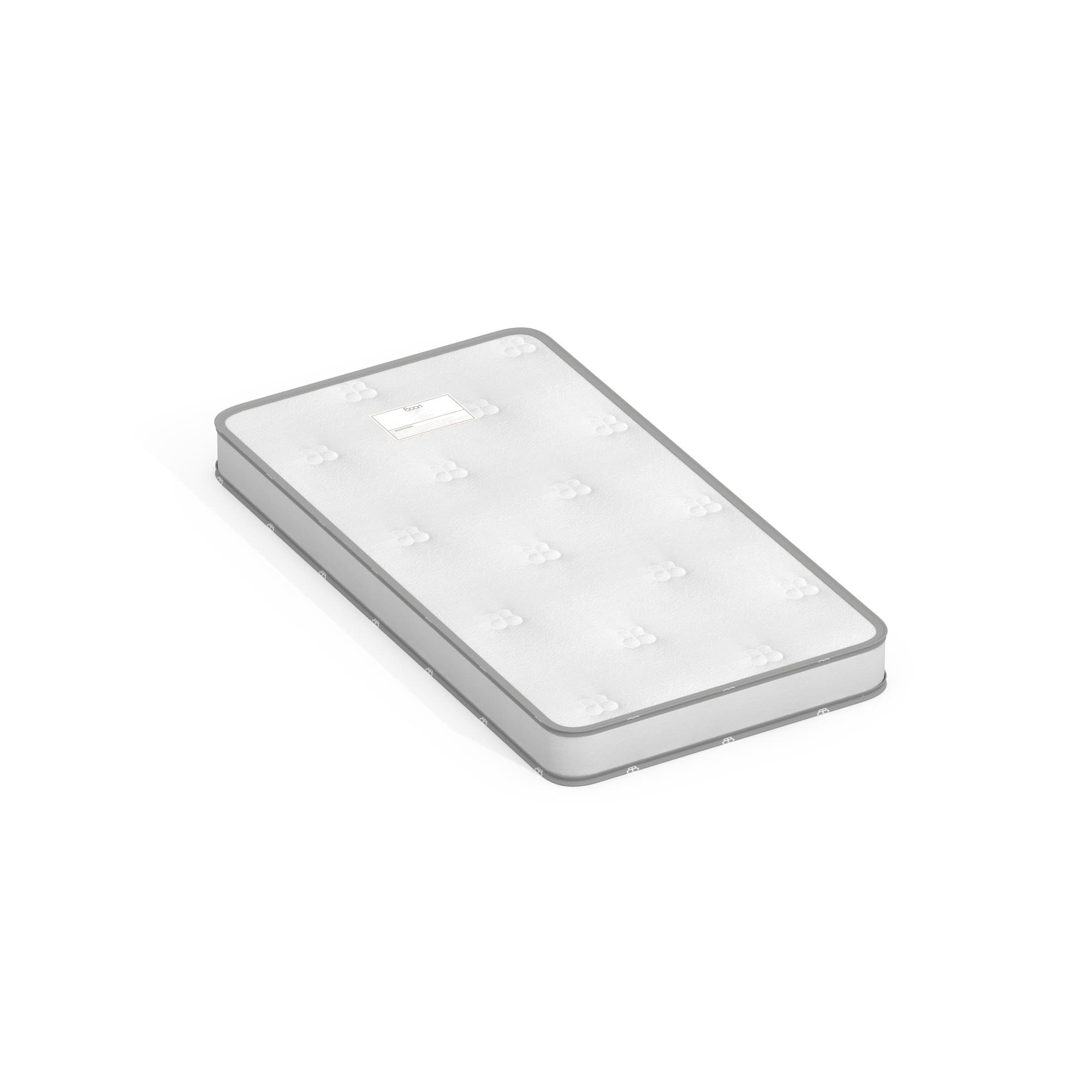
Boori Pocket Spring Cot Mattress (sized for standard 1320×700mm cots)
$189.00
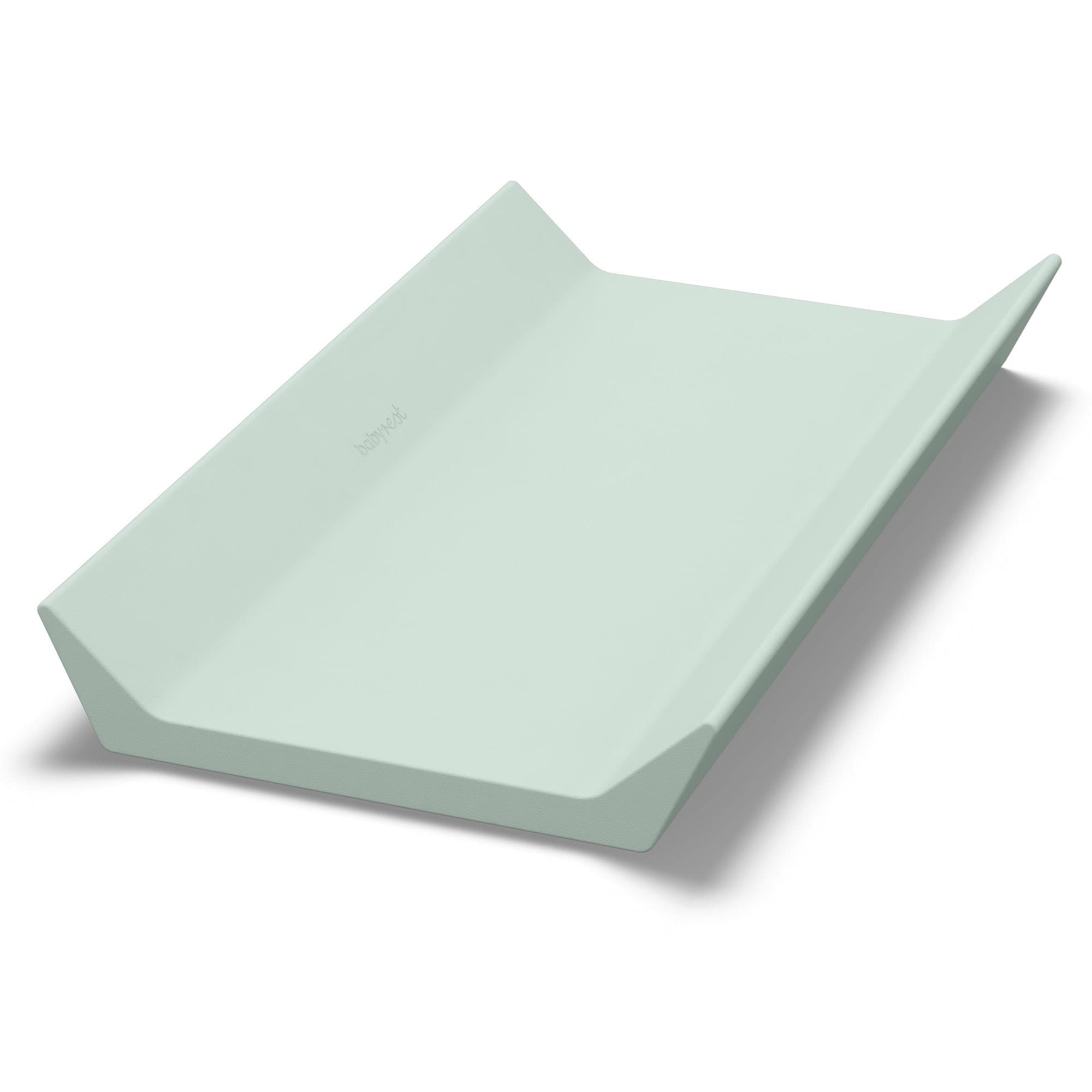
BabyRest Nova Change Mat (Sage)
$189.00
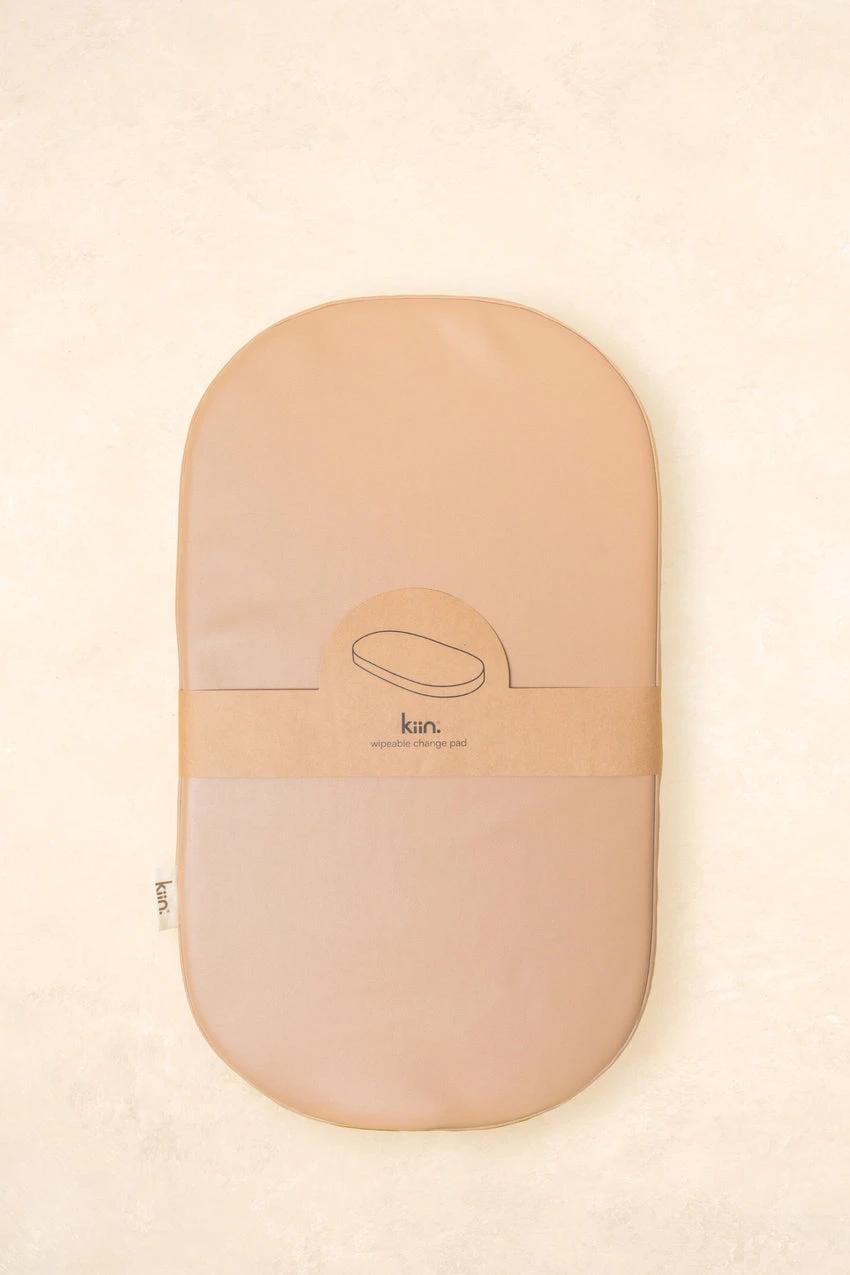
Kiin Wipeable Change Pad (Mocha)
$76.50$85.00
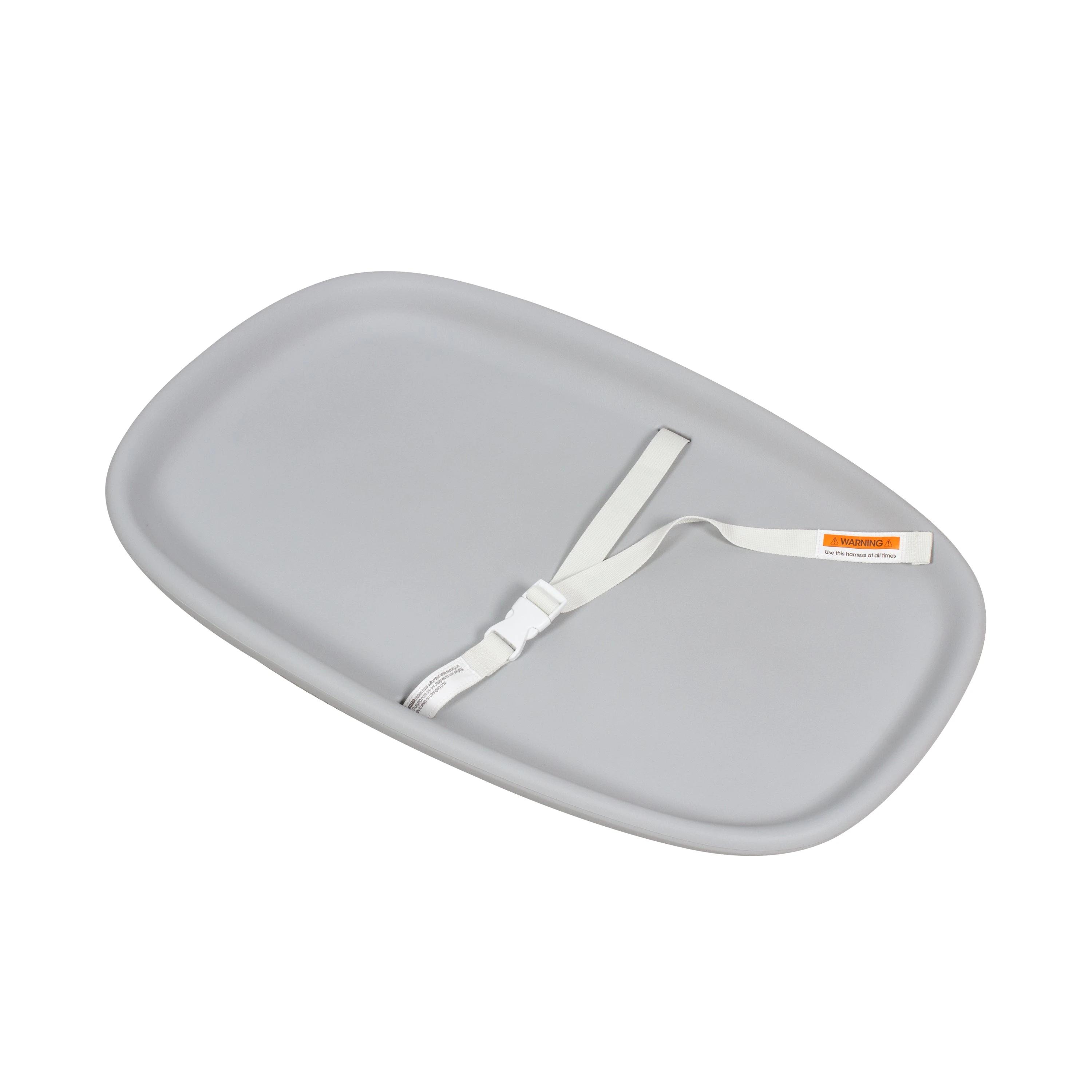
Childcare Soft Change Mat (Grey)
$69.00
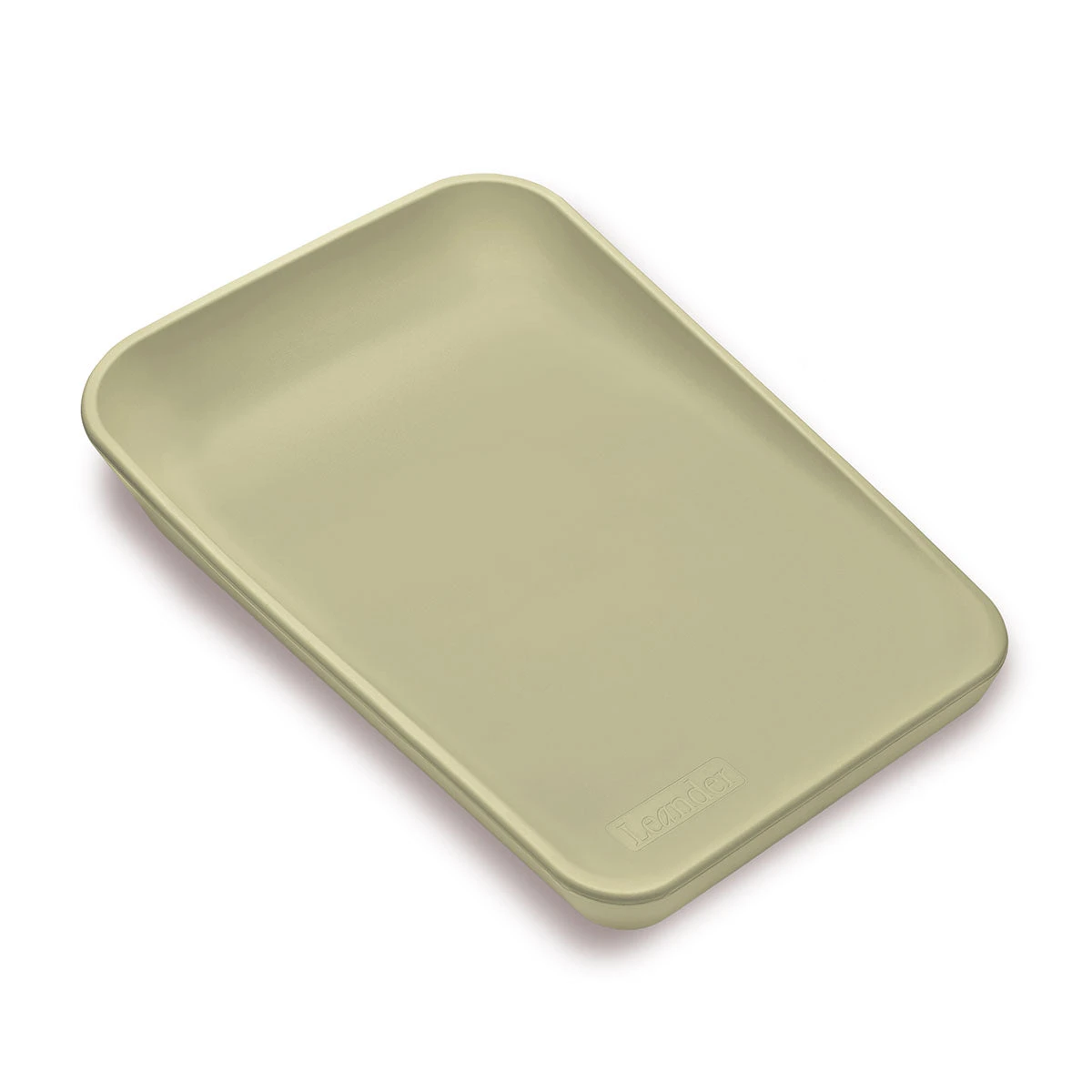
Leander Matty Change Mat (Green)
$223.96$279.95
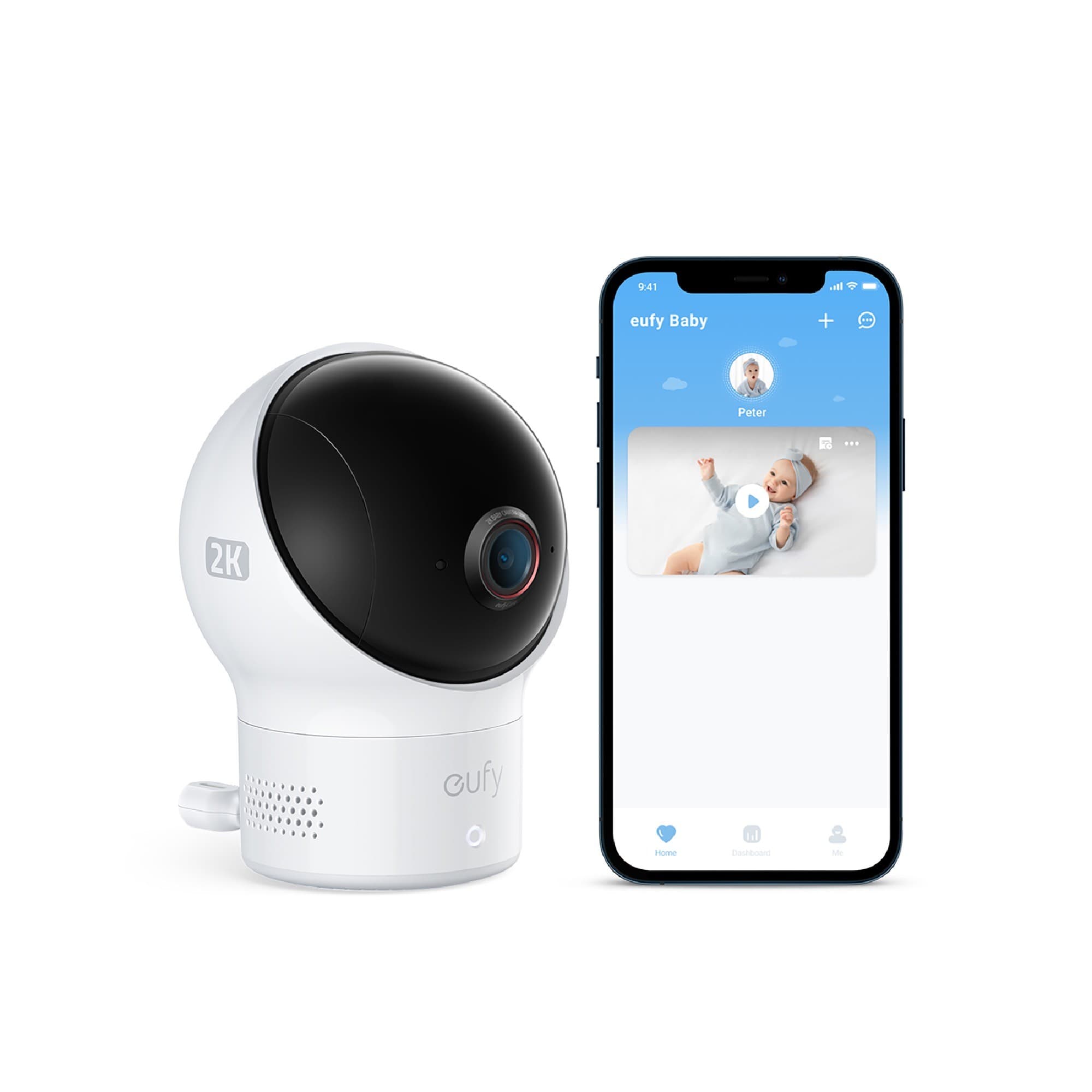
Eufy 2K Wi-Fi Video Baby Monitor
$195.46$229.95
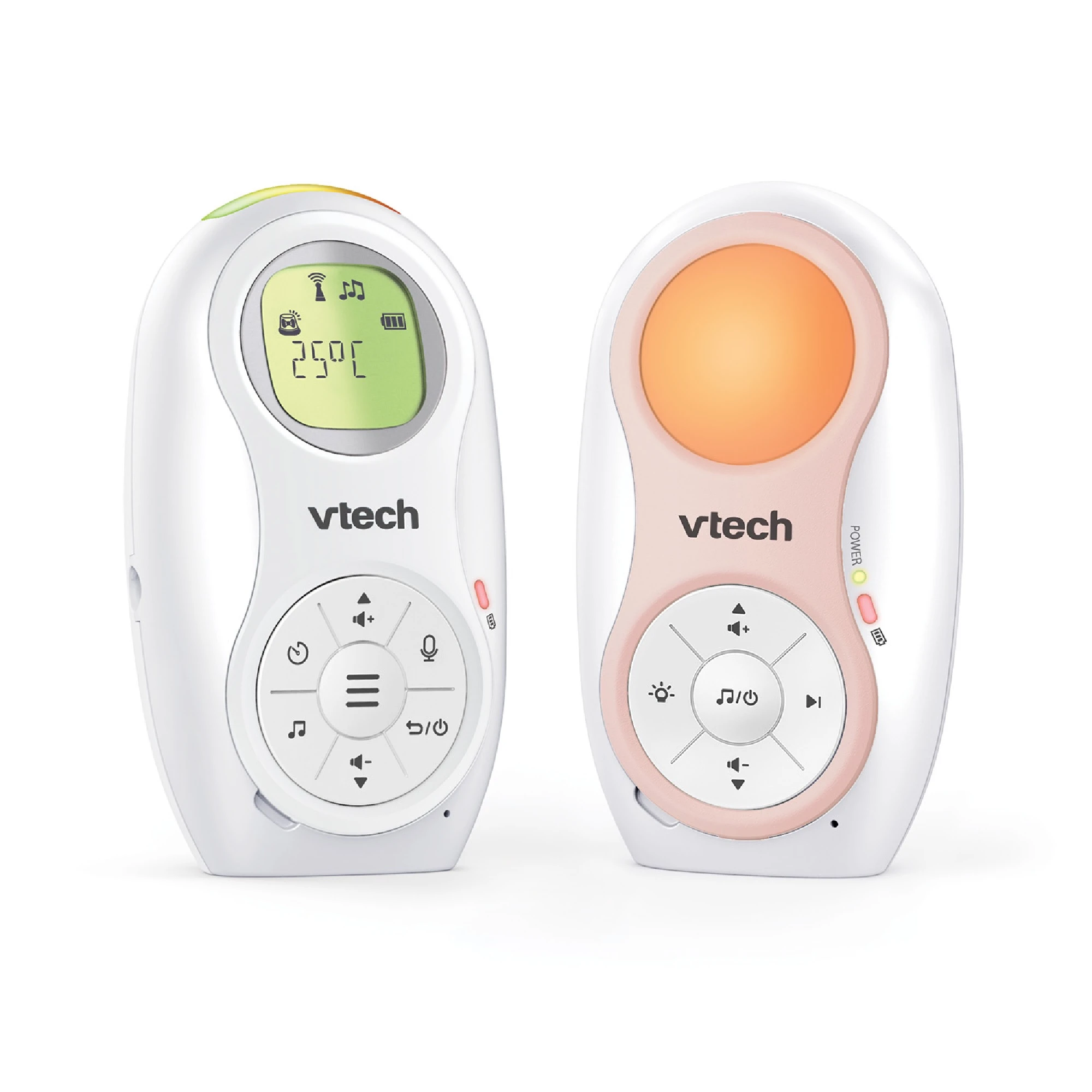
VTech Digital Audio Baby Monitor BM2220
$69.00
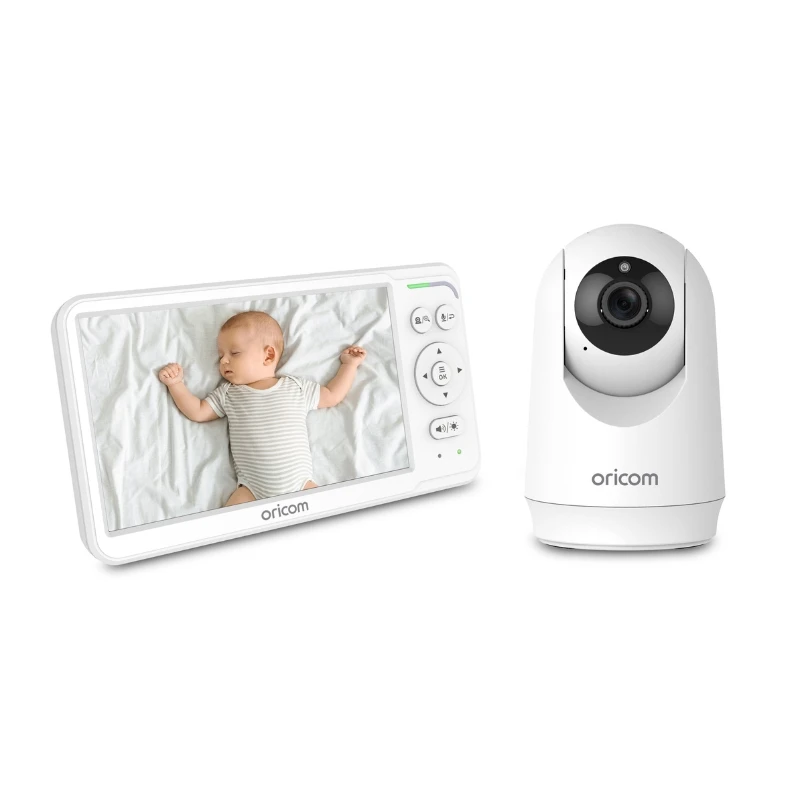
Oricom SC640 6-inch Video Baby Monitor
$165.00$199.00
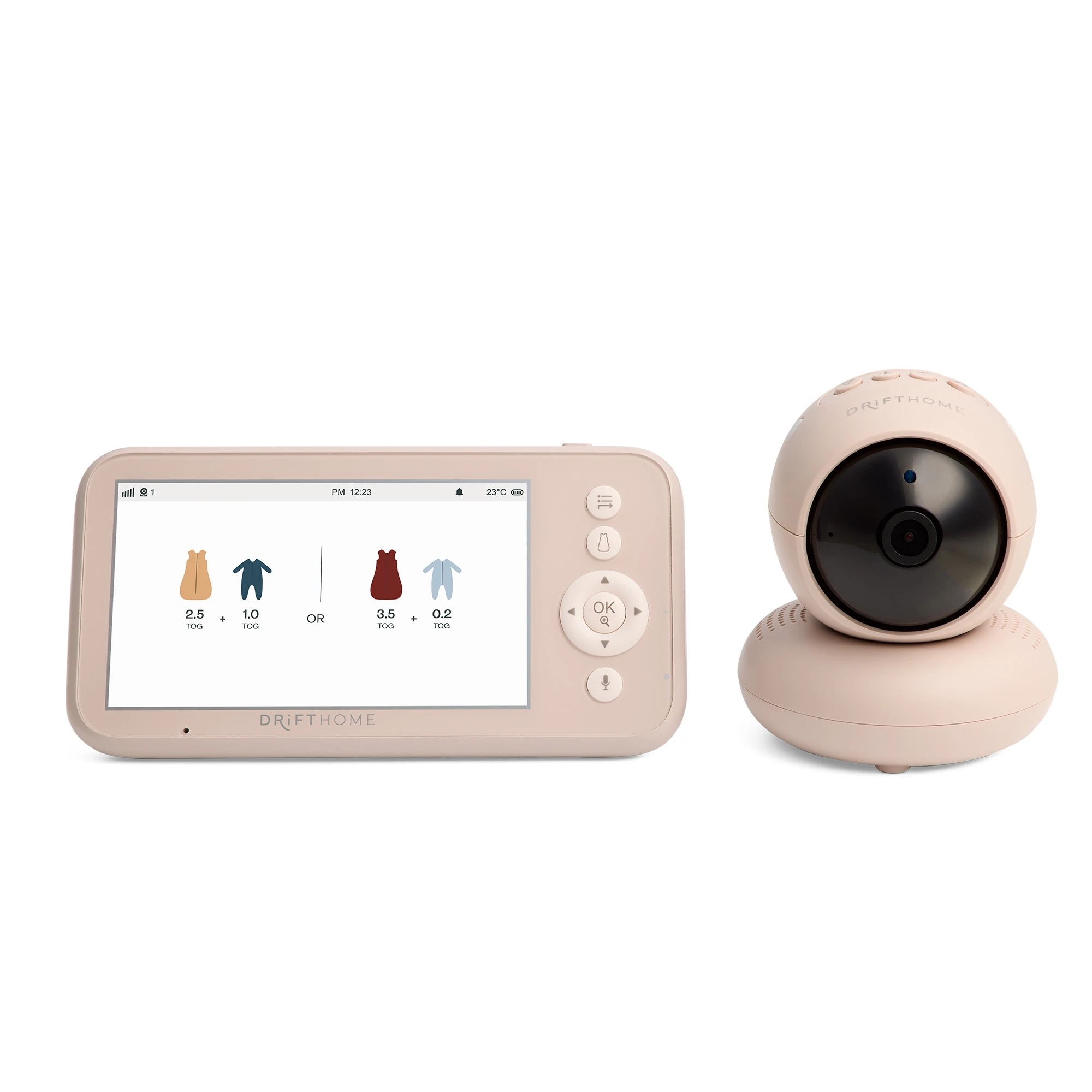
ergoPouch Drifthome Baby Monitor (Taupe)
$329.00
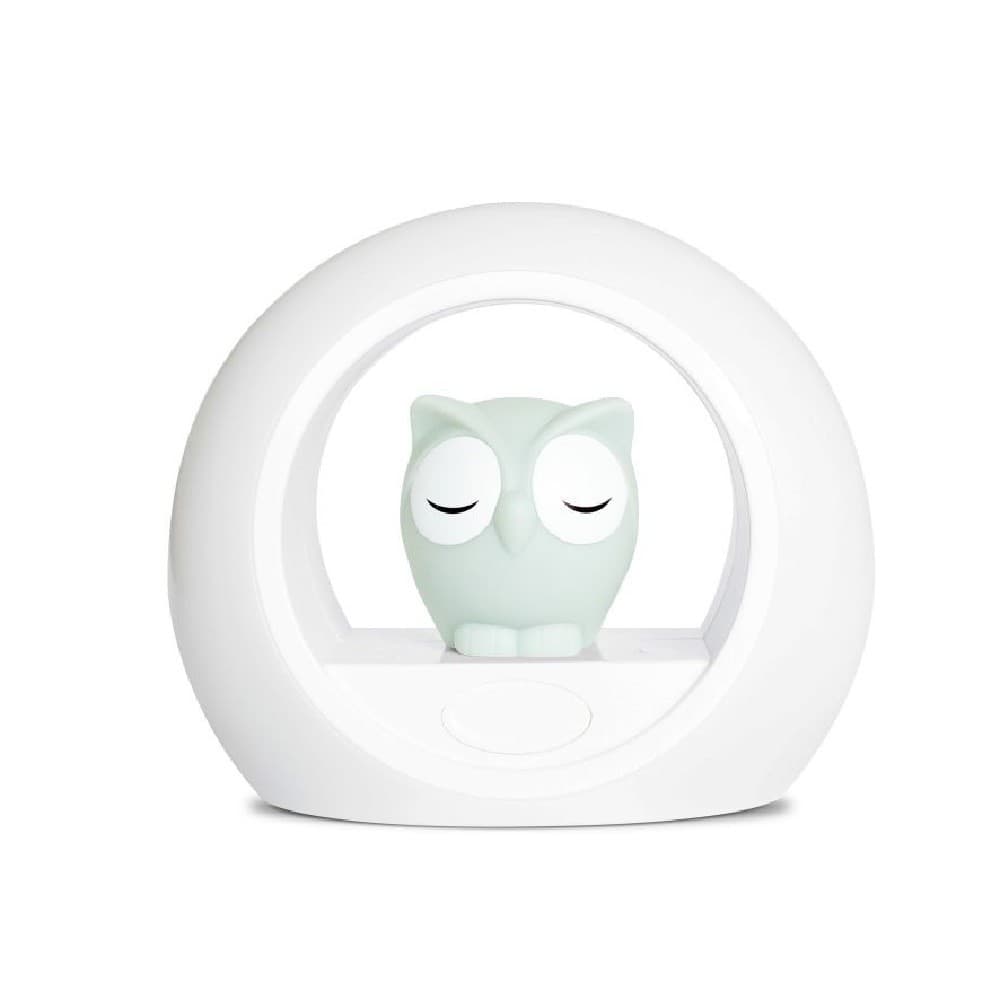
Zazu Lou Nightlight (Grey)
$28.00
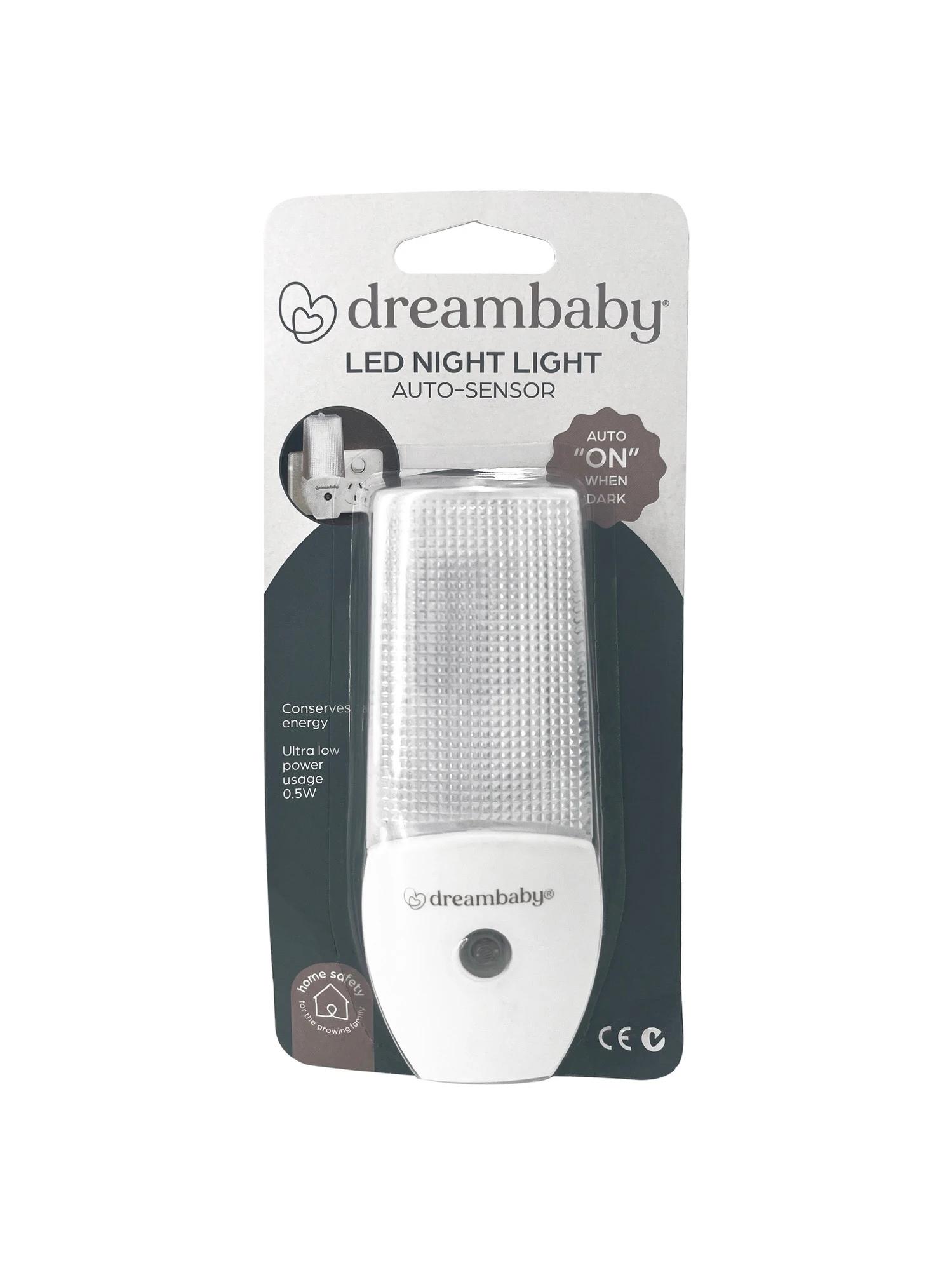
Dreambaby Night Light (turns on in the dark)
$11.86$13.95
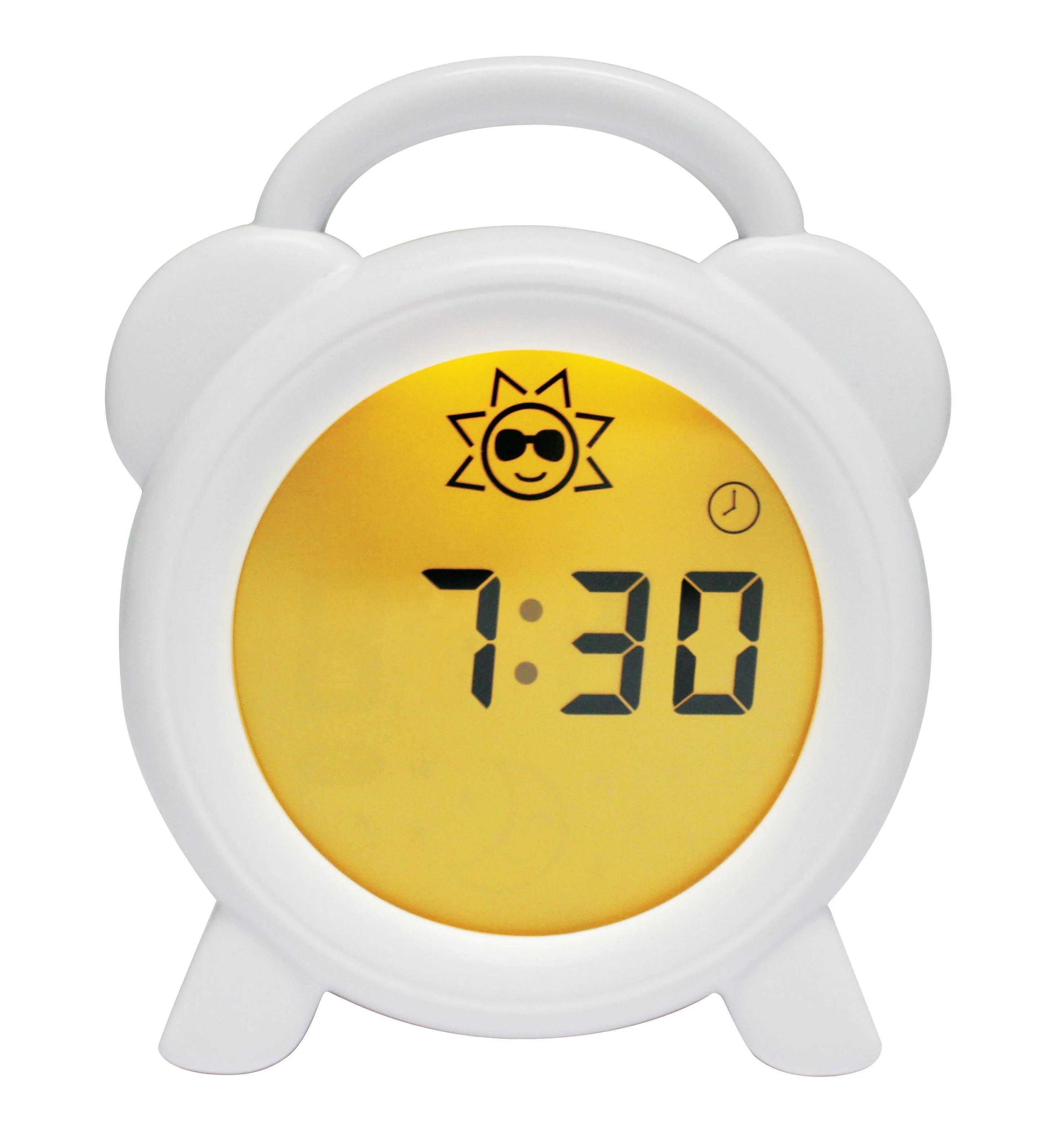
Baby Studio Sleep Trainer (also a night light)
$49.95
Eight things from the baby registry checklist: a cot, the mattress made for it, an optional bassinet, a change mat, swaddles and a sleeping bag before the birth, then a monitor and a night light in the first 3 months. Around them the room needs 2 to 3 fitted cot sheets, a waterproof mattress protector, storage anchored to the wall, a comfortable chair for feeds, blinds with the cords away from the cot, a smoke alarm and a bin for nappies.
Have the sleep space and the change area ready before the birth, because that is what the first nights need. Red Nose recommends your baby sleeps in their own safe sleep space in your room for at least the first six months, so the cot or bassinet beside your bed comes first and decorating the nursery can wait.
No. A bassinet is a convenience for the room-sharing months, and plenty of babies go straight into the cot. If you use one, stop once your baby shows signs of pushing up on hands and knees or reaches its maximum weight, whichever comes first.
Medibank's newborn list suggests 2 to 3 fitted cot sheets, and Baby Bunting says a nursery needs two sets at a bare minimum, ideally more, so one is always clean. Use only fitted sheets made for the mattress size.
Only if it suits your home. Red Nose advises that baby monitors do not reduce the risk of sudden unexpected death in infancy, so a monitor is a convenience, never a safety device. On 22 October 2026 Target AU listed an audio monitor at $55 and a video monitor at $99.
Use a cot that meets the mandatory Australian Standard with a firm, flat mattress that fits within 20 mm of the sides and ends, and keep the cot bare: no pillows, bumpers or soft toys. Keep the cot away from blind and curtain cords, heaters and hanging mobiles, as Product Safety Australia's household cots guide says, anchor drawers and wardrobes to the wall, and install a smoke alarm.
Put the cot, mattress and change setup on an EasyRegistry baby registry and family can fund them as group gifts before the baby arrives. It is free to create.